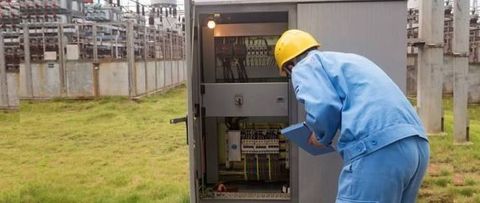
Gas Insulated Switchgear: An Overview of Modern Electrical Protection
Gas insulated switchgear is electrical equipment used to control, protect, and isolate parts of an electrical power system.
Unlike conventional air-insulated arrangements, gas insulated switchgear uses an insulating gas or gas mixture inside a sealed enclosure around energized components. This design allows several switching and protection functions to be arranged within a relatively compact space.
GIS switchgear is commonly associated with substations and high-voltage electrical networks. A typical arrangement can contain circuit breakers, disconnectors, earthing switches, busbars, instrument transformers, and other components inside grounded metal enclosures. The enclosure separates energized parts from the surrounding environment while the insulating medium supports electrical separation.
The development of gas insulated electrical equipment was driven partly by the need to handle high electrical voltages where available space is limited. Gas insulation can provide electrical separation within a smaller physical arrangement than some conventional open-air configurations. This has made GIS substation systems relevant in urban areas, industrial facilities, transportation networks, and other locations where land or environmental conditions can influence substation design.
How Gas Insulated Switchgear Works
In high voltage gas insulated switchgear, electrical conductors and switching components are enclosed within metal compartments. The insulating medium surrounds energized parts and helps prevent unwanted electrical discharge between components.
Circuit breakers interrupt current when a fault or switching condition requires it. Disconnectors create visible electrical separation within the equipment, while earthing switches provide a path for safely grounding an isolated section during appropriate maintenance procedures.
Gas insulated switchgear systems can be configured for different voltage levels and network arrangements. Medium voltage GIS switchgear is used in distribution and industrial applications, while high voltage GIS systems are designed for higher-voltage transmission and substation environments.
Main Components
A GIS installation can contain several coordinated elements:
- Circuit breakers for interrupting electrical current.
- Disconnectors for isolating sections of a circuit.
- Earthing switches for grounding isolated equipment.
- Busbars for connecting multiple electrical circuits.
- Instrument transformers for measurement and protection functions.
- Metal enclosures that contain energized components and the insulating medium.
Together, these components form insulated switchgear equipment designed around specific electrical, physical, and operational requirements.
Importance
Gas insulated switchgear is important because electrical networks need equipment capable of controlling large amounts of electrical energy while limiting the effects of faults. A fault can result from insulation failure, equipment damage, environmental conditions, or other electrical abnormalities.
Electrical power distribution switchgear helps divide a power network into manageable sections. When correctly designed and coordinated, protection equipment can detect abnormal conditions and disconnect affected sections according to the protection scheme.
Space and Installation Considerations
One reason GIS electrical switchgear is used in some substations is its compact arrangement. Components that would occupy larger areas in certain air-insulated layouts can be enclosed within a structured GIS installation.
This characteristic can be relevant in cities, industrial sites, underground substations, and locations where land availability is limited. However, physical size is only one consideration. Installation requirements, access arrangements, electrical ratings, environmental conditions, and equipment configuration also influence system design.
Role in High-Voltage Networks
High voltage switchgear systems form part of the infrastructure that connects generation, transmission, and distribution networks. High voltage GIS equipment can be integrated with transformers, transmission lines, busbars, and other substation components.
Industrial GIS power systems can also be used where electrical loads require controlled distribution and protection. Industrial gas insulated switchgear may appear in manufacturing facilities, energy infrastructure, transportation systems, and large commercial or institutional installations.
Environmental Considerations
Traditional GIS installations have commonly used sulfur hexafluoride, known as SF6, because of its strong insulating and arc-interruption properties. However, SF6 has a very high global warming potential, which has increased interest in alternative insulating media and switching technologies.
Recent standards and technology developments increasingly address alternative gases and gas-handling practices. IEC publications have incorporated requirements and guidance covering gases other than SF6 in relevant switchgear applications.
Recent Updates
Between 2024 and 2026, developments in GIS have increasingly focused on alternative insulating gases, vacuum switching, digital monitoring, and applications involving new electrical network configurations. These developments are occurring alongside broader efforts to reduce the environmental impact associated with SF6.
Alternative Insulating Gases
A notable development has been the continued development of SF6 alternatives for gas-insulated equipment. Clean air and other gas mixtures are being evaluated or deployed in different voltage classes, while vacuum interruption is being combined with alternative insulation approaches.
IEC 63360:2025 provides specifications for gases used as alternatives to SF6 in electrical power equipment and includes methods for analyzing gas quality before introduction into equipment.
This does not mean that every GIS installation has shifted to an alternative gas. Equipment selection depends on voltage level, design requirements, applicable regulations, operating conditions, and the technology available for a particular application.
New GIS Standards and Applications
Recent IEC publications have also expanded technical documentation for GIS applications. IEC TS 62271-318:2024 addresses DC gas-insulated metal-enclosed switchgear for rated voltages of 100 kV and above, including applications associated with high-voltage direct-current systems.
IEC 62271-211:2024 also provides updated requirements for direct connections between power transformers and gas-insulated metal-enclosed switchgear above 52 kV.
These developments reflect the expanding range of applications for advanced gas insulated substation systems.
Digital Monitoring
Digital technologies are also becoming more closely connected with GIS equipment. Sensors and digital measurement systems can collect information about operating conditions, while analytical platforms can process equipment data.
Digital monitoring may track parameters such as temperature, pressure, electrical measurements, breaker activity, and other operating indicators. The purpose is to provide information that can support inspection, maintenance planning, and system monitoring rather than replacing engineering oversight.
| GIS Area | Typical Function | Current Development Direction |
|---|---|---|
| Insulation | Electrical separation | Alternative gas research and deployment |
| Switching | Circuit interruption | Greater use of vacuum interruption |
| Monitoring | Equipment condition data | More digital sensors and analytics |
| Substations | Power transformation and distribution | More compact and connected layouts |
| Standards | Technical requirements | Updated guidance for new gas technologies |
Tools and Resources
Several technical resources can help readers understand gas insulated substation equipment and electrical protection. Manufacturer documentation, engineering references, standards publications, and educational material can explain equipment construction, ratings, testing, and operating principles.
Standards and Technical References
IEC publications are important references for understanding switchgear requirements. IEC 62271-203 covers AC gas-insulated metal-enclosed switchgear for rated voltages above 52 kV and includes provisions relating to insulating gases and gas tightness.
For people studying GIS technology, useful reference materials include:
- IEC switchgear standards for technical definitions and requirements.
- Electrical protection textbooks covering circuit breakers and substations.
- Substation design diagrams for understanding equipment connections.
- Manufacturer technical manuals describing GIS components and ratings.
- Electrical engineering calculators for basic voltage, current, and power relationships.
Planning and Learning Resources
Single-line diagrams can help explain how GIS substation systems connect transformers, busbars, feeders, and transmission circuits. Equipment datasheets can then be used to understand rated voltage, current, insulation levels, short-circuit ratings, and enclosure arrangements.
For advanced GIS switchgear systems, technical documentation may also address gas pressure monitoring, partial discharge detection, circuit breaker operation, grounding arrangements, and condition monitoring.
FAQs
What is gas insulated switchgear?
Gas insulated switchgear is enclosed electrical switchgear in which an insulating gas or gas mixture provides electrical insulation around energized components. It is used in substations and electrical networks across several voltage ranges.
What is the difference between GIS switchgear and air-insulated switchgear?
GIS switchgear places major energized components inside sealed metal enclosures with an insulating medium. Air-insulated switchgear generally relies on surrounding atmospheric air for insulation and usually requires more physical separation between energized components.
Where is high voltage gas insulated switchgear used?
High voltage gas insulated switchgear is commonly used in substations, transmission networks, power generation facilities, industrial installations, and locations where compact electrical equipment is useful.
What are advanced GIS switchgear systems?
Advanced GIS switchgear systems can include digital measurement, condition monitoring, alternative insulating gases, modern protection equipment, and integrated control technologies. Their exact features depend on the equipment design and application.
Why are alternative gases being considered for GIS?
Alternative gases are being considered partly because SF6 has a very high global warming potential. Current research and deployment include clean-air approaches, natural-origin gases, and other gas mixtures, with suitability depending on voltage and technical requirements.
Conclusion
Gas insulated switchgear provides a compact approach to controlling, protecting, and isolating electrical circuits within substations and power distribution networks. GIS technology includes equipment ranging from medium voltage GIS switchgear to high voltage GIS systems, with applications across utility and industrial environments. Recent developments have focused on alternative insulating gases, vacuum switching, digital monitoring, and expanded technical standards. These changes are shaping the continued development of high voltage gas insulated power systems and other modern GIS applications.

Related Post...

Battery Calendaring Systems: An Overview of Modern Electrode Processing
Updated: September 16, 2026
Read More
Automatic Labeling Systems: An Overview of Modern Labeling Technology
Updated: September 16, 2026
Read More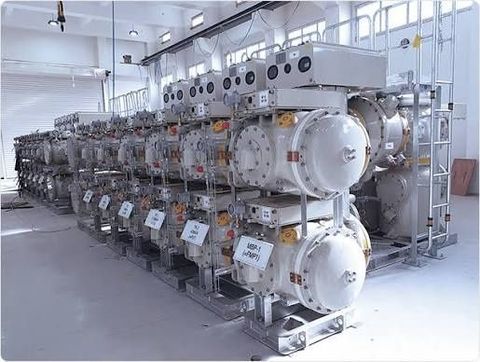
Gas Insulated Switchgear: An Overview of Modern Electrical Protection
Updated: September 16, 2026
Read More