Industrial Acoustic Sensors: An Overview of Sound Detection Technology
Industrial acoustic sensors are devices that detect and measure sound waves, pressure changes, and acoustic signals generated by machinery, equipment, and industrial processes.
These sensors can help identify changes in operating conditions by capturing sounds that may not be apparent through visual inspection. Industrial acoustic sensor systems are used in manufacturing, energy, transportation, processing facilities, and other environments where machine condition and noise levels need to be observed.
The concept comes from the broader field of acoustics, which studies sound and how it travels through different materials and environments. As industrial equipment became more complex, engineers began using sound and vibration information as another way to understand machine behavior. This development contributed to acoustic monitoring sensors that can detect unusual sounds, emissions, or frequency patterns.
Industrial sound sensors can operate across different frequency ranges. Some detect sounds within the range normally heard by people, while ultrasonic acoustic sensors detect higher-frequency signals. Different sensor types are selected according to the equipment being observed and the type of acoustic information required.
How Acoustic Detection Works
An acoustic sensor converts sound or pressure variations into an electrical signal that can be measured and analyzed. The sensor may contain a microphone, piezoelectric element, or another sensing mechanism designed for a particular frequency range.
Industrial acoustic monitoring systems collect these signals and may transmit them to a monitoring platform. Software can then display sound levels, frequency information, trends, or alerts based on predefined conditions.
Acoustic and Vibration Monitoring
Sound and vibration often provide related information about machinery. Industrial vibration and acoustic sensors can capture both forms of mechanical activity, allowing operators to compare changes in vibration and acoustic patterns.
Acoustic emission sensors are another category. They are designed to detect transient elastic waves produced by events such as material deformation, cracking, friction, or other physical changes. Acoustic emission monitoring equipment is therefore used in applications where these short-duration signals can provide information about structural or mechanical conditions.
Importance
Industrial acoustic sensors matter because machinery can produce characteristic sounds during normal operation. Changes in those sounds may indicate altered operating conditions, mechanical wear, leaks, friction, looseness, or other issues that require further investigation.
Acoustic monitoring does not replace other inspection methods. Instead, it can provide another source of information that complements visual checks, temperature measurements, vibration analysis, pressure measurements, and other forms of industrial monitoring.
Supporting Equipment Monitoring
Acoustic condition monitoring can be applied to equipment such as pumps, motors, compressors, valves, bearings, conveyors, and rotating machinery. The specific acoustic patterns depend on the equipment, operating speed, surrounding environment, and type of fault.
Machine acoustic monitoring systems can record measurements over time. Comparing current readings with historical information can help identify changes in operating behavior.
Detecting Sounds Outside Human Hearing
Some industrial events produce ultrasonic signals that people cannot hear. Ultrasonic acoustic sensors can detect these higher-frequency signals and convert them into information that monitoring systems can analyze.
Ultrasonic detection can be used in areas such as compressed-air leak inspection, electrical equipment monitoring, and mechanical condition assessment. Its usefulness depends on environmental conditions and the characteristics of the signal being measured.
Addressing Industrial Noise
Acoustic sensing is also relevant to workplace and environmental noise management. Industrial noise monitoring equipment can measure sound levels in areas where machinery, transportation equipment, ventilation systems, or production activities generate significant noise.
Noise measurements can help organizations understand acoustic conditions and assess them against applicable workplace or environmental requirements. Actual requirements vary by location, industry, equipment, and regulatory framework.
Recent Updates
From 2024 through 2026, acoustic monitoring has increasingly been connected with digital data platforms, edge computing, wireless communication, and artificial intelligence. The general direction is toward collecting acoustic information continuously or at regular intervals and combining it with other equipment data.
Modern systems can process acoustic signals closer to the point where they are collected. This approach, commonly called edge processing, can reduce the amount of raw data that needs to be transferred to another system and can support faster analysis in some applications.
AI-Based Acoustic Analysis
Automated acoustic fault detection is an emerging area in which algorithms examine recorded signals for patterns associated with specific equipment conditions. AI-based systems may classify sounds or identify deviations from established operating patterns.
Intelligent industrial acoustic sensors can incorporate processing capabilities that allow some analysis to occur within or near the sensor itself. However, reliable interpretation depends on factors such as sensor placement, background noise, equipment variation, and the quality of training or reference data.
Integration With Predictive Maintenance
Predictive maintenance acoustic sensors are increasingly being incorporated into broader equipment monitoring programs. Acoustic information can be combined with vibration, temperature, electrical, and operational data.
Advanced acoustic condition monitoring systems may use these multiple data sources to build a more complete picture of equipment behavior. This approach can reduce reliance on a single measurement when diagnosing complex conditions.
Digital and Wireless Monitoring
Wireless connectivity is also influencing industrial acoustic monitoring systems. Sensors can transmit measurements to centralized dashboards or industrial data platforms, reducing the need for physical connections in some installations.
At the same time, industrial environments can contain machinery, electromagnetic interference, temperature changes, and other conditions that affect sensor performance. System design therefore remains an important part of reliable monitoring.
| Acoustic Technology | Typical Information | Example Application |
|---|---|---|
| Standard acoustic sensors | Audible sound patterns | Machine monitoring |
| Ultrasonic acoustic sensors | High-frequency signals | Leak inspection |
| Acoustic emission sensors | Short transient waves | Structural assessment |
| Industrial sound sensors | Sound pressure levels | Noise monitoring |
| Vibration and acoustic sensors | Mechanical and acoustic activity | Equipment condition analysis |
| AI-enabled sensors | Pattern-based acoustic information | Automated fault detection |
Tools and Resources
Several types of tools can support the planning, measurement, and interpretation of acoustic information. The appropriate tool depends on whether the objective involves equipment condition, structural inspection, workplace noise, or another application.
Measurement and Analysis Tools
Sound level meters can measure sound pressure levels, while vibration meters and specialized acoustic instruments can capture mechanical signals. Frequency analyzers can help separate a sound into different frequency components, making it easier to examine particular patterns.
Industrial acoustic inspection equipment may also include directional sensors that help locate a source of sound. Specialized ultrasonic instruments can translate high-frequency signals into audible or visual information for easier interpretation.
Software and Documentation Resources
Acoustic analysis software can display waveforms, frequency spectra, trends, and other measurements. Monitoring platforms can also combine sensor readings with equipment records and maintenance information.
Useful resources include:
- Sensor manufacturer documentation explaining measurement ranges and installation requirements.
- Technical standards covering acoustic measurements and equipment testing.
- Process documentation templates for recording inspection conditions.
- Equipment manuals containing normal operating information.
- Data analysis tools for reviewing acoustic trends and frequency patterns.
Planning an Acoustic Monitoring System
A complete industrial acoustic monitoring system normally begins with a clear definition of what needs to be measured. Important considerations include the equipment type, expected sound characteristics, environmental noise, sensor location, frequency range, data collection method, and required level of analysis.
Advanced acoustic monitoring systems may combine several sensors with centralized software. The resulting information can then be reviewed alongside other operational measurements to understand changes in equipment behavior.
FAQs
What are industrial acoustic sensors used for?
Industrial acoustic sensors detect sound and acoustic signals produced by machinery, structures, and industrial processes. They can support equipment monitoring, noise measurement, leak detection, inspection, and condition assessment.
How do industrial acoustic sensor systems detect faults?
Industrial acoustic sensor systems collect sound signals and compare them with reference patterns, historical measurements, or predefined thresholds. Acoustic fault detection systems may identify unusual patterns that indicate a condition requiring further investigation.
What are acoustic emission sensors?
Acoustic emission sensors detect short-duration elastic waves generated by physical events such as cracking, deformation, friction, or other changes in materials. Acoustic emission monitoring equipment is used in certain structural and mechanical inspection applications.
Can ultrasonic acoustic sensors detect equipment problems?
Ultrasonic acoustic sensors can detect high-frequency signals associated with phenomena such as compressed-air leaks, friction, and some electrical or mechanical events. Interpretation depends on the equipment, environment, sensor characteristics, and measurement method.
What are machine acoustic monitoring systems?
Machine acoustic monitoring systems collect and analyze sounds produced by equipment during operation. They may be used as part of a broader condition-monitoring program alongside vibration, temperature, electrical, and other measurements.
Conclusion
Industrial acoustic sensors provide a way to observe sound and high-frequency acoustic signals generated by equipment and industrial processes. Their applications include machine condition monitoring, acoustic emission analysis, ultrasonic inspection, and industrial noise measurement. Recent developments have connected acoustic sensing with digital platforms, wireless systems, edge processing, and AI-based analysis. Acoustic information is generally most useful when considered alongside equipment conditions and other forms of industrial measurement.

Related Post...
Aqueous Cleaning Systems: An Overview of Modern Cleaning Methods
Updated: September 12, 2026
Read More
AI Defect Detection Guide to Image-Based Inspection and Quality Monitoring
Updated: September 11, 2026
Read More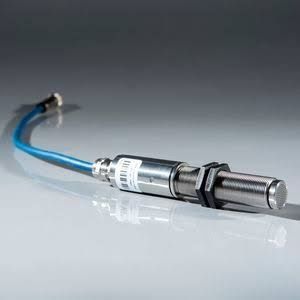
Industrial Acoustic Sensors: An Overview of Sound Detection Technology
Updated: September 12, 2026
Read More