Workpiece Carrier System: An Overview of Industrial Handling Methods
A workpiece carrier system is a structured method for moving, positioning, and supporting parts during manufacturing or assembly.
A workpiece is the individual component being processed, while a carrier holds it in a defined position as it moves between different stages. Workpiece carrier systems are used in production environments where consistent movement and positioning are important.
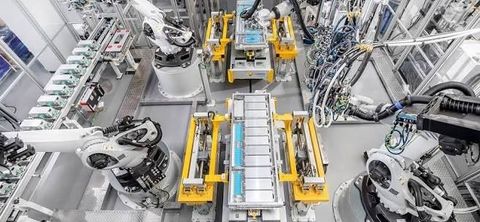
The concept developed from basic fixtures, trays, pallets, and mechanical conveyors used to move components through production areas. As manufacturing became more automated, carriers began working with sensors, programmable controllers, robots, conveyors, and tracking systems. This development created automated workpiece handling methods that can coordinate movement with machining, inspection, assembly, and other operations.
Basic Components of a Carrier System
A workpiece carrier system can contain several physical and digital elements. The exact configuration depends on the size, shape, weight, material, and processing requirements of the workpiece.
Common elements include:
- Carrier bodies that hold individual components.
- Fixtures or locating elements that keep parts in position.
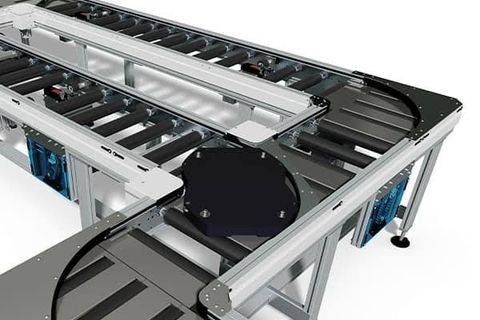
- Conveyors or guided transport mechanisms.
- Sensors that detect carrier and workpiece positions.
- Identification systems that track individual carriers.
- Controllers that coordinate movement between stations.
- Robotic devices for loading, unloading, or repositioning.
Industrial workpiece handling systems may use a combination of these elements rather than relying on one transport method.
How Workpiece Carriers Move
Workpiece transport systems can use belt conveyors, roller conveyors, chain systems, automated guided vehicles, track-based systems, or robotic movement. The choice depends on the production layout and the characteristics of the components.
Workpiece conveyor systems are commonly arranged so that carriers move through predefined stations. At each station, a workpiece can be inspected, processed, assembled, or transferred before continuing to another stage.
Importance
Workpiece handling is an important part of manufacturing because production involves repeated movement between different operations. If components are difficult to position or transport, production activities can become more complicated and may require additional manual handling.
Automated material handling systems can coordinate the movement of parts between machines and work areas. This can be particularly relevant where production involves repeated sequences and defined positions.
Supporting Consistent Positioning
Automated workpiece positioning systems are designed to place components in known locations. This can help machines, tools, cameras, and robots interact with a part according to a defined process.
Precision workpiece handling equipment may use locating pins, clamps, fixtures, or other mechanisms to control the position of a component. The required level of precision varies according to the manufacturing process.
Handling Different Workpieces
Manufacturing facilities may process components with different dimensions, shapes, or materials. Flexible manufacturing handling systems can be designed to accommodate multiple carrier configurations or adjustable fixtures.
An automated workpiece carrier can also be associated with identification data. This allows a control system to recognize which carrier is entering a particular station and determine which processing sequence applies.
Reducing Unnecessary Manual Movement
Manual handling remains part of many manufacturing environments, particularly where processes change frequently or involve irregular components. Automated workpiece handling can take over specific repetitive transport activities while people continue to manage tasks that require observation, adjustment, or decision-making.
Robotic workpiece handling systems may be used for loading and unloading machines, transferring components, or repositioning parts. Their application depends on factors such as workspace, payload, cycle requirements, and safety arrangements.
Handling Challenges
Carrier systems must account for several practical issues. These include component alignment, carrier wear, contamination, sensor reliability, mechanical clearance, and compatibility between different production stations.
A carrier designed for one workpiece may not be appropriate for another without changes to its fixture or positioning arrangement. Maintenance and inspection are also relevant because mechanical components can experience wear during repeated operation.
Recent Updates
From 2024 through 2026, workpiece handling has continued to develop alongside connected manufacturing, robotics, machine vision, and flexible production methods. The general direction has been toward more adaptable systems that can exchange information between carriers, machines, sensors, and production software.
Increased Use of Robotics and Vision
Robotic workpiece handling systems are increasingly integrated with cameras and machine vision technologies. Vision systems can provide information about the location, orientation, or characteristics of a component before a robot performs a handling task.
This combination can support processes where the exact position of a workpiece may vary within a defined range. It can also provide inspection information that can be associated with a particular production stage.
Greater System Connectivity
Advanced workpiece carrier systems may incorporate identification technologies such as RFID, barcode systems, or other digital tracking methods. These technologies can associate a carrier with production information as it moves through different stations.
Connected systems can also collect information about carrier location, process status, and completed operations. The usefulness of this information depends on sensor coverage, software integration, and data quality.
Flexible Production Layouts
Manufacturers are also examining flexible handling arrangements that can accommodate changes in production volume, product configuration, or process sequence. Advanced industrial carrier automation systems can combine conveyors, robots, sensors, and control software within a coordinated layout.
The specific configuration varies widely between industries. Automotive components, electronics, appliances, machinery, and other manufactured products may require different carrier designs and handling methods.
| Handling Method | Typical Movement | Common Application |
|---|---|---|
| Belt conveyor | Continuous or indexed | Lightweight components |
| Roller conveyor | Linear movement | Trays and larger parts |
| Chain conveyor | Controlled carrier movement | Production lines |
| Robot | Flexible point-to-point movement | Loading and transfer |
| Guided vehicle | Route-based movement | Material movement between areas |
| Track-based carrier | Defined path | Repeated production sequences |
Tools and Resources
Understanding workpiece carrier systems often involves reviewing both mechanical and digital resources. Product drawings, process maps, layout diagrams, load calculations, and control documentation can help explain how a handling arrangement operates.
Design and Planning Resources
Computer-aided design software can be used to develop carrier geometry, fixtures, clearances, and mounting arrangements. Simulation tools can help visualize movement and identify potential interference between carriers, robots, machines, and surrounding structures.
Useful planning resources include:
- Conveyor layout templates for mapping movement paths.
- Fixture design references for locating and securing components.
- Load and payload calculators for checking handling requirements.
- Process flow diagrams for documenting movement between stations.
- Maintenance checklists for reviewing carrier and conveyor components.
Control and Identification Tools
Programmable logic controllers can coordinate conveyors, sensors, and other equipment. Human-machine interfaces can display carrier status, station conditions, and process information.
Identification tools such as barcode readers and RFID systems can connect a carrier with a production record. These systems can be integrated with manufacturing execution or production tracking platforms where the process requires it.
Safety and Technical Resources
Technical standards and equipment documentation can provide information about machine guarding, emergency controls, conveyor arrangements, robotic operation, and workplace safety. The applicable requirements depend on the country, industry, equipment, and specific installation.
FAQs
What is a workpiece carrier system?
A workpiece carrier system is a method for holding and moving components through manufacturing or assembly processes. It can include carriers, fixtures, conveyors, sensors, controllers, and robotic equipment.
How do automated workpiece handling systems work?
Automated workpiece handling systems use mechanical equipment, sensors, controllers, and software to move components between defined locations. Some systems also identify carriers and coordinate movement with production operations.
What are workpiece conveyor systems used for?
Workpiece conveyor systems transport components or carriers between production stations. They may use belts, rollers, chains, tracks, or other guided movement methods.
What is an automated workpiece positioning system?
An automated workpiece positioning system places a component in a specified location or orientation. It can use fixtures, actuators, sensors, robots, or combinations of these technologies.
Where are robotic workpiece handling systems used?
Robotic workpiece handling systems can be used for activities such as machine loading, unloading, component transfer, assembly support, and repositioning. Their configuration depends on the workpiece and the manufacturing process.
Conclusion
A workpiece carrier system provides a structured way to hold, transport, and position components during manufacturing and assembly. Modern systems can combine conveyors, fixtures, sensors, robots, identification technologies, and control software. Recent developments have focused on connectivity, machine vision, robotics, and flexible production arrangements. The design of each system depends on the physical properties of the workpiece, required positioning, production sequence, and operating environment.

Related Post...
Workpiece Carrier System: An Overview of Industrial Handling Methods
Updated: September 16, 2026
Read More
Laboratory Washer Sterilizer: An Overview of Cleaning and Sterilization Systems
Updated: September 16, 2026
Read More
Electromagnetic Positioning System: An Overview of Modern Positioning Technology
Updated: September 16, 2026
Read More