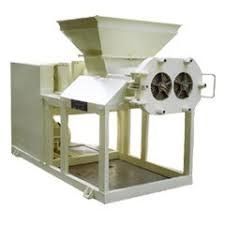
Industrial Pelletizers: A Guide to Pelletizing Processes and Equipment
Industrial pelletizers are machines used to convert molten polymers and other suitable materials into small, manageable pellets.
These pellets can then be handled, transported, stored, or processed in later manufacturing stages. Industrial pelletizing machines are commonly connected with extrusion lines, where polymer material is melted, shaped, cooled, and cut into consistent pieces.
Pelletizing has developed alongside the plastics and polymer industries. Early processes relied on relatively simple cutting and cooling arrangements, while modern pelletizing machinery can include automated controls, temperature monitoring, water systems, cutters, dryers, and material handling equipment.
How the Pelletizing Process Works
The basic pelletizing process begins when polymer material is heated until it reaches a suitable molten condition. An extruder then pushes the material through openings in a die to create continuous strands or another controlled shape.
The material is cooled and then cut into pellets. Depending on the equipment design, cooling can take place in air, water, or another controlled environment. Industrial plastic pelletizers are designed around the material characteristics, required pellet shape, production conditions, and downstream processing requirements.
Common stages include:
- Material preparation and feeding.
- Melting and extrusion.
- Die formation.
- Cooling or solidification.
- Cutting into pellets.
- Drying and separation.
- Pellet collection and handling.
Main Pelletizing Methods
Different pelletizing systems are used for different polymers and operating conditions. Strand pelletizing machines produce strands that are cooled before entering a cutting unit. This approach is widely associated with materials that can maintain a stable strand during cooling.
Underwater pelletizing systems cut polymer directly near or at the die face while water cools the material. This arrangement can create compact pellets and integrate cooling and cutting within a continuous process.
Other configurations include air-based pelletizing and specialized cutting arrangements. The selection of polymer pelletizing equipment depends on factors such as material behavior, moisture sensitivity, pellet dimensions, throughput requirements, and process temperature.
Importance
Industrial pelletizers are important because pellets provide a practical form for handling many polymer materials. Uniform pellet dimensions can make feeding and processing easier in applications such as extrusion, injection molding, and compounding.
Plastic pelletizing machines also have an important role in recycling. Recovered plastic can be processed through sorting, cleaning, size reduction, extrusion, and pelletizing stages before being used as recycled polymer feedstock. The quality of the resulting pellets depends on material separation, contamination control, moisture management, and processing conditions.
Role in Manufacturing
Industrial pelletizing equipment can be integrated into manufacturing lines that produce polymer compounds, additives, masterbatch materials, and other plastic-based feedstocks. Automatic pelletizing systems can coordinate cutting, cooling, drying, and material movement through programmed controls.
Automated pelletizing equipment may use sensors to monitor variables such as temperature, pressure, water flow, and equipment status. These measurements can help operators observe process conditions and identify deviations that require attention.
Role in Plastic Recycling
Plastic recycling pelletizing equipment is used after recyclable plastic has undergone appropriate preparation. Depending on the material stream, preparation may include sorting, washing, drying, shredding, grinding, and filtration.
The Association of Plastic Recyclers describes processes such as granulation, extrusion, and drying as important parts of plastics recycling. Its technical glossary also notes that moisture management can be particularly relevant for materials such as PET because moisture can affect polymer properties during later processing.
Pelletizing therefore represents one stage within a larger recycling chain rather than an isolated activity.
Factors That Affect Pellet Quality
Pellet characteristics can be influenced by several process conditions:
- Polymer temperature and melt stability.
- Die design and extrusion pressure.
- Cutter condition and cutting speed.
- Cooling temperature and water flow.
- Moisture levels.
- Material contamination.
- Pellet size and shape requirements.
These factors can interact, so pelletizing systems are generally designed around the specific material and process rather than one universal configuration.
Recent Updates
From 2024 through 2026, developments surrounding pelletizing have been closely connected with plastics recycling, process monitoring, automation, and improved material handling. Recycling organizations have continued to develop technical guidance concerning material identification, processing, and recyclability. The Association of Plastic Recyclers, for example, has continued updating technical resources covering plastics such as PET thermoforms and other recyclable materials.
Increasing Automation
Modern systems increasingly combine mechanical equipment with electronic monitoring and programmable controls. This trend supports automated plastic pelletizing systems that can coordinate several stages of the process while providing operators with information about operating conditions.
Advanced industrial pelletizers may also incorporate sensors and control interfaces that help track temperature, pressure, water conditions, and cutter operation. Automation does not remove the need for process supervision, particularly when material properties change.
Recycling and Material Recovery
Recycling remains an important area for pelletizing technology. Industry resources continue to address material sorting, contamination, recycled polymers, and processing requirements. Recent recycling guidance also shows greater attention to the compatibility of different plastic materials with established recycling streams.
In some recycling facilities, automation is also expanding beyond pelletizing. The Association of Plastic Recyclers has documented modernized sorting facilities using AI-powered optical sorting, real-time monitoring, and automated material separation. These developments illustrate how pelletizing can form part of a broader automated recycling workflow.
Process Monitoring and Integration
High capacity pelletizing machines increasingly operate as parts of connected production lines rather than isolated units. Data from extrusion, cooling, cutting, drying, and material handling stages can be monitored through centralized control interfaces.
Precision pelletizing systems can also be designed around specific pellet dimensions and material characteristics. However, actual results depend on equipment configuration, polymer properties, operating conditions, and maintenance practices.
| Pelletizing Method | Basic Process | Common Considerations |
|---|---|---|
| Strand pelletizing | Strands are cooled and then cut | Strand stability and cooling |
| Underwater pelletizing | Pellets are cut near the die and cooled in water | Water conditions and die configuration |
| Air pelletizing | Material is cooled through controlled air flow | Cooling rate and material behavior |
| Recycling pelletizing | Reprocessed polymer is extruded and cut | Contamination, moisture, and filtration |
Tools and Resources
Several resources can help readers understand pelletizing processes and equipment. Technical documentation from equipment manufacturers can explain machine configurations, while plastics organizations provide information about material properties, recycling practices, and safety.
Process and Equipment Resources
Useful resources include:
- Process flow diagrams for understanding extrusion and pelletizing stages.
- Material data sheets for reviewing polymer processing characteristics.
- Pellet size measurement tools for checking dimensions.
- Temperature and pressure monitoring instruments.
- Moisture measurement equipment for moisture-sensitive polymers.
- Maintenance checklists for cutters, dies, cooling systems, and dryers.
For plastics processing, the Plastics Industry Association maintains technical publications and safety information. Its published material includes ANSI/PLASTICS B151.11, which addresses safety requirements associated with granulators, strand pelletizers, dicers, and related size-reduction equipment.
Recycling Resources
The Association of Plastic Recyclers provides technical documents covering recycling processes, polymer identification, design considerations, and material preparation. These resources can help explain why sorting, contamination control, drying, and polymer compatibility matter before pelletizing.
Process engineers and operators may also use flow diagrams, equipment manuals, laboratory testing, and production records to understand how changes in material or operating conditions affect pellet formation.
FAQs
What are industrial pelletizers used for?
Industrial pelletizers convert molten polymer or other suitable materials into pellets. These pellets can be used as feedstock for later manufacturing or recycling processes.
How do industrial pelletizing machines work?
Industrial pelletizing machines generally combine extrusion, die formation, cooling, cutting, and pellet collection. The exact arrangement depends on the polymer and the required pellet characteristics.
What are underwater pelletizing systems?
Underwater pelletizing systems cut molten polymer close to the extrusion die while water provides cooling. The resulting pellets are then separated from the water and prepared for handling.
What is the difference between strand pelletizing machines and underwater systems?
Strand pelletizing machines first form continuous strands that are cooled before cutting. Underwater systems perform cutting near the die while the pellets are cooled in water, creating two different process arrangements.
How are plastic pelletizing machines used in recycling?
Plastic pelletizing machines can process prepared recycled polymer after stages such as sorting, cleaning, drying, size reduction, and extrusion. The pelletizing stage converts the processed polymer into a form suitable for subsequent material handling or manufacturing.
Conclusion
Industrial pelletizers convert polymer materials into manageable pellets through processes involving extrusion, cooling, cutting, and collection. Different systems, including strand pelletizing machines and underwater pelletizing systems, are designed around different material and process conditions. Recent developments have placed greater attention on automation, monitoring, recycling, material preparation, and integration with broader production systems. Understanding these factors provides a foundation for interpreting how modern pelletizing machinery is used across plastics manufacturing and recycling.

Related Post...
Industrial Feeding Systems: A Guide to Modern Material Handling Methods
Updated: September 18, 2026
Read More
AI Defect Detection Guide to Image-Based Inspection and Quality Monitoring
Updated: September 18, 2026
Read More
Aqueous Cleaning Systems: An Overview of Modern Cleaning Methods
Updated: September 19, 2026
Read More