Industrial Equipment Supplier: An Overview of Equipment Selection
An industrial equipment supplier is part of the wider manufacturing and industrial supply chain.
Such organizations help businesses identify, source, and coordinate equipment used in factories, processing facilities, warehouses, construction environments, and production operations. The role has developed alongside industrialization, as machinery became more specialized and facilities began requiring multiple types of equipment for different stages of production.
An industrial equipment supplier may work with manufacturers, distributors, engineering teams, and procurement departments. Depending on the industry, equipment can include production machinery, pumps, compressors, conveyors, industrial controls, material handling equipment, processing systems, and automation components.
The term industrial equipment suppliers can therefore cover a broad group of organizations involved in equipment sourcing and procurement. An industrial machinery supplier may focus on particular machine categories, while an industrial equipment distributor may coordinate equipment from multiple manufacturers.
Understanding Equipment Categories
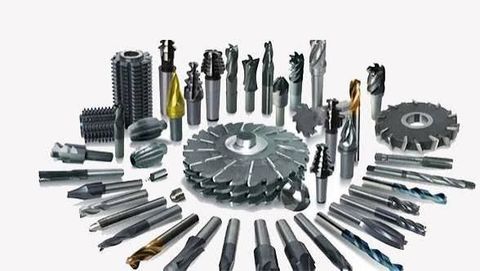
Industrial equipment is generally selected according to the task it needs to perform. Production machinery may be designed for forming, cutting, mixing, coating, packaging, machining, or assembly. Other equipment supports the movement of materials, environmental conditions, energy management, or process monitoring.
Industrial production equipment can range from individual machines to connected systems. A factory may require several equipment categories to work together, making compatibility an important part of equipment selection.
Common categories include:
- Manufacturing machinery for production and fabrication.
- Industrial processing equipment for transforming raw materials.
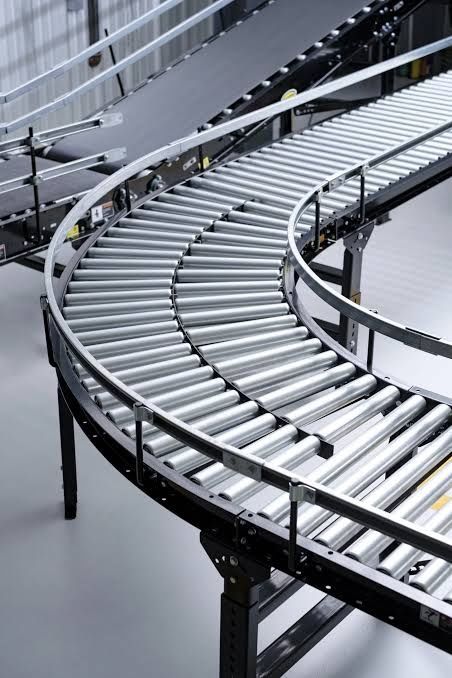
- Industrial material handling equipment for moving goods and components.
- Industrial automation equipment for monitoring and controlling processes.
- Utility equipment for air, water, heat, cooling, or energy-related requirements.
- Inspection and measurement equipment for quality and process monitoring.
Role of Suppliers and Distributors
An industrial machinery distributor may coordinate equipment from several manufacturers and help organize technical information, specifications, documentation, and delivery arrangements. A manufacturing equipment supplier may instead focus on particular types of machinery or production applications.
The responsibilities can vary significantly. Some organizations concentrate on equipment sourcing, while others may coordinate system configuration, documentation, installation planning, training materials, or replacement components. The exact scope depends on the business relationship and procurement requirements.
Importance
Equipment selection affects production capacity, workplace layout, energy use, maintenance requirements, product consistency, and operational planning. Choosing machinery only by its basic function may overlook factors such as available floor space, electrical requirements, material characteristics, operator needs, and compatibility with existing systems.
Industrial equipment procurement therefore involves more than identifying a machine with a suitable name. It requires a structured comparison between operational requirements and equipment specifications.
Matching Equipment to the Process
A factory equipment supplier may provide equipment intended for a particular manufacturing environment. Before selection, organizations generally define what the equipment must accomplish and under what operating conditions.
Important considerations can include:
- Required production volume and operating cycle.
- Material type, size, weight, or physical characteristics.
- Available floor space and facility layout.
- Electrical, pneumatic, hydraulic, water, or ventilation requirements.
- Required automation and control interfaces.
- Safety and regulatory requirements.
- Maintenance access and replacement component availability.
- Compatibility with existing machinery and software.
This information creates a technical basis for comparing different equipment configurations.
Procurement and Lifecycle Considerations
Industrial machinery procurement can involve several stages, including requirement definition, technical evaluation, supplier comparison, purchasing, delivery coordination, installation planning, testing, and documentation. Procurement teams may work with engineering and operations personnel throughout the process.
Industrial equipment sourcing also requires attention to the equipment's expected operating environment. Factors such as temperature, dust, moisture, vibration, chemical exposure, and operating frequency can influence which specifications are appropriate.
For larger facilities, industrial equipment procurement solutions may involve several connected machines rather than one individual unit. A complete industrial equipment systems approach can require consideration of controls, material flow, communication interfaces, and facility infrastructure.
Comparing Equipment Requirements
A structured comparison can help separate essential requirements from optional features. The following table illustrates common selection factors.
| Selection Factor | What to Examine | Why It Matters |
|---|---|---|
| Capacity | Output or handling requirement | Determines whether equipment matches the process |
| Dimensions | Machine size and working area | Affects facility layout |
| Power | Electrical or other utility requirements | Helps assess infrastructure needs |
| Controls | Manual, automated, or networked controls | Influences operation and integration |
| Materials | Compatible materials and conditions | Supports appropriate equipment selection |
| Maintenance | Access and inspection requirements | Affects operational planning |
| Safety | Guards, controls, and applicable standards | Supports safe operation |
| Integration | Interfaces with existing systems | Helps equipment work within the wider process |
Recent Updates
From 2024 through 2026, industrial equipment selection has increasingly been influenced by automation, digital connectivity, energy management, and data collection. Manufacturing organizations are examining how equipment can fit into connected production environments rather than functioning as isolated machines.
Growth of Connected Equipment
Modern industrial machinery may include sensors, digital control panels, network interfaces, and monitoring functions. These capabilities can provide information about operating conditions and equipment status.
For an industrial automation equipment supplier, compatibility with existing control architectures has become an important consideration. Equipment may need to communicate with programmable controllers, supervisory systems, production databases, or other connected devices.
Automation and Data Integration
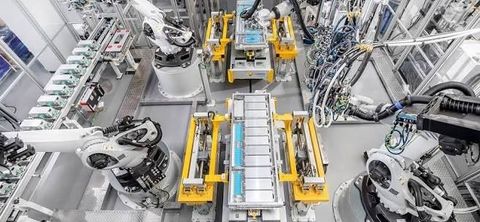
An automated industrial equipment supplier may work with machinery that incorporates automated handling, machine vision, robotics, programmable controls, or production monitoring. The objective is to coordinate equipment with defined production processes while maintaining appropriate human oversight.
Advanced manufacturing equipment supplier activities are also increasingly connected with data-driven production planning. Information from machines can be used to understand production conditions, identify process interruptions, and support maintenance planning.
Energy and Resource Considerations
Energy consumption and resource efficiency have also become important equipment-selection factors. Industrial facilities may examine electricity, compressed air, water, heat, and other utility requirements when comparing equipment configurations.
These considerations do not apply identically to every industry. Equipment requirements depend on the manufacturing process, facility conditions, product characteristics, and applicable regulations.
Tools and Resources
Several resources can support industrial equipment procurement and evaluation. Their usefulness depends on the type of equipment, the complexity of the project, and the information available.
Equipment Selection Tools
Specification sheets, technical drawings, equipment manuals, comparison tables, and procurement templates can help organize information. A requirements checklist can document factors such as capacity, dimensions, utilities, controls, materials, safety features, and integration requirements.
Useful documents may include:
- Equipment requirement specifications.
- Technical comparison spreadsheets.
- Facility layout drawings.
- Equipment installation checklists.
- Risk assessment templates.
- Maintenance planning documents.
- Equipment acceptance test templates.
Digital Procurement Resources
Industrial machinery purchasing solutions may use digital procurement platforms to organize equipment information, quotations, technical documents, approvals, and purchasing records. Enterprise resource planning systems can also connect procurement information with inventory, finance, production, and asset records.
Industry standards organizations and government regulatory websites can provide information about applicable safety, electrical, environmental, and machinery requirements. Manufacturer documentation can provide equipment-specific specifications that should be reviewed alongside facility requirements.
Planning and Evaluation Resources
Process mapping software, spreadsheet tools, computer-aided design platforms, and equipment calculators can assist with planning. For example, a layout tool can help determine whether machinery fits within a defined production area, while capacity calculations can help compare equipment requirements with expected production workloads.
These tools provide supporting information rather than replacing engineering assessments or applicable regulatory reviews.
FAQs
What does an industrial equipment supplier do?
An industrial equipment supplier helps organizations identify and source machinery or equipment used in industrial operations. The scope can include equipment information, technical specifications, procurement coordination, and documentation.
How does an industrial equipment distributor differ from a supplier?
An industrial equipment distributor commonly coordinates equipment from multiple manufacturers or product lines. A supplier can refer more broadly to an organization providing equipment or coordinating its procurement.
What should I consider when choosing an industrial machinery supplier?
Important factors include equipment specifications, process requirements, compatibility, facility conditions, documentation, safety requirements, maintenance considerations, and integration with existing systems.
What is industrial equipment procurement?
Industrial equipment procurement is the structured process of defining equipment requirements, evaluating available options, coordinating purchasing activities, and arranging delivery and implementation according to project requirements.
What is an automated industrial equipment supplier?
An automated industrial equipment supplier focuses on equipment that incorporates automated controls, sensors, robotics, software, or other technologies used to manage industrial processes. Such equipment may need to integrate with existing industrial control and production systems.
Conclusion
Industrial equipment selection involves matching machinery specifications with production requirements, facility conditions, safety considerations, and system compatibility. An industrial equipment supplier or distributor may participate in different parts of the sourcing and procurement process, depending on the equipment and project structure. Recent developments have increased attention toward automation, connectivity, data integration, and resource use. A structured procurement process helps organize technical information and distinguish essential equipment requirements from additional features.

Related Post...
Precision Dosing Equipment: An Overview of Accurate Material Measurement
Updated: September 16, 2026
Read More
Electromagnetic Positioning System: An Overview of Modern Positioning Technology
Updated: September 16, 2026
Read More