Industrial Tools Manufacturing Guide to Modern Production Processes
Industrial tools manufacturing is the process of designing, producing, inspecting, and preparing tools used in machining, fabrication, assembly, construction, maintenance, and other industrial activities.
These tools can range from simple hand-operated equipment to computer-controlled cutting systems and precision machining tools. Their design depends on the material being processed, the required dimensions, production volume, and operating conditions.
The development of industrial tooling is closely connected with the history of manufacturing. Early workshops relied on manually operated cutting and shaping tools, while later production environments introduced powered machinery and standardized tooling. The development of numerical control, computer-aided design, and computer-controlled machining gradually changed how industrial tools were designed and produced.
Today, industrial tool manufacturers may work with metals, engineered materials, ceramics, composites, and specialized tool materials. Manufacturing tools and equipment can include cutting systems, drills, milling tools, forming tools, grinding equipment, fixtures, dies, and tooling components used to position or process workpieces.
How Industrial Tool Production Has Developed
Traditional tool production depended heavily on manual measurement, machining, grinding, and inspection. Modern production combines these activities with computer-aided design, automated machines, digital measurement equipment, and production monitoring.
CNC tooling equipment is an important part of modern production. CNC machines use programmed instructions to control movements and machining operations. This allows manufacturers to produce complex shapes while maintaining defined dimensional requirements.
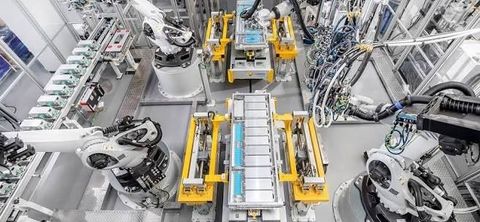
Industrial tooling systems may also connect several pieces of equipment. A production setup can include machine tools, tool holders, workholding equipment, measurement devices, software, and data systems that work together during a manufacturing process.
Main Types of Industrial Tools
Industrial tools can be grouped according to their function and application. Common categories include:
- Industrial cutting tools for removing material from workpieces.
- Industrial machining tools for drilling, milling, turning, grinding, and related operations.
- Precision industrial tools for applications requiring controlled dimensions.
- Industrial power tools that use electric, pneumatic, or other power sources.
- Forming and stamping tools used to shape materials.
- Fixtures and workholding equipment used to position components during production.
The selection and design of a tool depend on factors such as material hardness, geometry, operating speed, cutting conditions, dimensional requirements, and the characteristics of the manufacturing process.
Importance
Industrial tools play an important role in the production of components used in transportation, construction, electronics, energy equipment, machinery, medical devices, and consumer products. The quality and suitability of tooling can influence dimensional accuracy, production consistency, material use, and equipment operation.
Industrial tools manufacturer facilities therefore focus on controlling several stages of production. These may include material preparation, machining, heat treatment, surface treatment, grinding, inspection, and final assembly.
Supporting Manufacturing Accuracy
Precision is important when components must fit together or operate within defined dimensions. Precision machining tools are designed for operations where measurements and tolerances need careful control.
High precision industrial tools may be produced using CNC machining, grinding, electrical discharge machining, coordinate measurement, and other controlled processes. Inspection equipment can then compare finished dimensions with technical drawings or digital models.
Improving Production Processes
Industrial production tools can help organize repeated manufacturing operations. A suitable tool can influence cutting conditions, material removal, surface characteristics, and the time required for individual production steps.
Automated tooling systems extend this concept by integrating tools with machine controls, tool changers, sensors, and production software. Such arrangements can reduce the need for repeated manual tool changes in some production environments while maintaining defined operating procedures.
Supporting Different Materials
Modern manufacturers process many types of materials, including steel, aluminum, copper alloys, plastics, composites, and advanced engineered materials. Each material behaves differently during cutting, drilling, forming, or grinding.
Metalworking tools manufacturing therefore involves careful consideration of tool material and geometry. Carbide, high-speed steel, ceramics, coated materials, and other tool materials may be selected according to the intended operation and workpiece characteristics.
Key Production Considerations
| Production factor | Why it matters |
|---|---|
| Tool material | Influences hardness, wear behavior, and operating conditions |
| Geometry | Determines how the tool interacts with the workpiece |
| Machine compatibility | Ensures the tool can operate with the intended equipment |
| Dimensional accuracy | Helps achieve specified component dimensions |
| Surface condition | Can affect friction, wear, and machining behavior |
| Inspection | Verifies defined physical characteristics |
| Process data | Helps document and analyze production conditions |
Recent Updates
From 2024 through 2026, industrial tooling has continued moving toward greater digital integration, automation, and data-based production management. The general direction has been toward connecting design, machining, inspection, and production information within increasingly coordinated manufacturing environments.
Digital Design and CNC Integration
Computer-aided design and manufacturing systems are now closely connected with CNC production. Digital models can provide geometry and manufacturing information that helps prepare machining instructions.
Advanced manufacturing tooling systems can incorporate digital tool libraries, automated programming, machine monitoring, and measurement data. These technologies can help manufacturers manage increasingly complex production processes while maintaining documented parameters.
Automation and Tool Monitoring
Automated tooling systems are developing alongside sensors and machine-monitoring technologies. Sensors can provide information about factors such as vibration, temperature, machine condition, and tool usage.
Tool monitoring can help identify changes in operating conditions. Depending on the equipment and software, this information may be used to detect unusual behavior or support maintenance planning.
Additive Manufacturing and New Tool Designs
Additive manufacturing is also influencing industrial tooling. Some tooling components can be produced using layer-based manufacturing methods, particularly where complex internal structures or customized geometries are required.
This does not replace conventional machining for every application. Instead, additive and subtractive manufacturing can be used as different approaches depending on material, geometry, dimensional requirements, production quantity, and finishing needs.
Data and Automation in Tool Production
Industrial tooling manufacturing equipment increasingly incorporates digital controls and data collection. Production information can be recorded at different stages, including machining, inspection, and equipment operation.
Process data can support traceability and analysis. However, data quality, system compatibility, cybersecurity, and appropriate human oversight remain important considerations when digital systems are connected across production environments.
Tools and Resources
Several digital and physical resources can help people understand industrial tooling and modern production processes. These resources range from educational references to design software, machining calculators, measurement tools, and technical documentation.
Design and Planning Resources
Computer-aided design platforms are commonly used to create detailed models of tools and components. Computer-aided manufacturing systems can then help translate design information into manufacturing instructions.
Useful resources include:
- CAD templates for technical drawings and component design.
- Machining calculators for estimating cutting parameters.
- Tool-selection charts for comparing tool materials and geometries.
- Technical standards for dimensional and manufacturing requirements.
- Maintenance checklists for documenting tooling conditions.
- Digital tool libraries for organizing tooling information.
CNC and Machining Resources
CNC programming references can help explain coordinate systems, cutting movements, tooling parameters, and machine instructions. Simulation platforms can also provide a controlled environment for reviewing machining sequences before physical production.
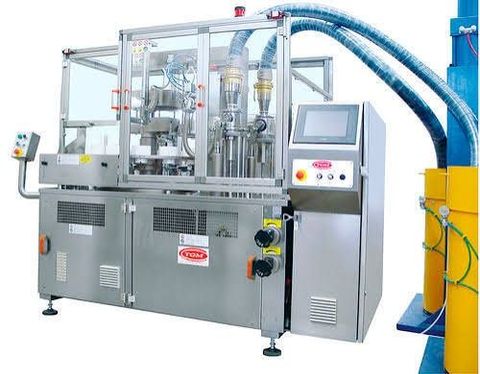
Industrial tool production equipment may include CNC turning machines, machining centers, grinding machines, electrical discharge machines, tool presetters, and coordinate measuring machines. Each equipment category performs different functions within the production process.
Inspection and Measurement Resources
Measurement is an important part of industrial tooling. Calipers, micrometers, gauges, optical measurement systems, and coordinate measuring machines can be used for different inspection requirements.
Technical drawings and manufacturing specifications provide reference information against which physical dimensions can be checked. The appropriate measurement method depends on the geometry, tolerance, material, and inspection requirement.
FAQs
What is industrial tools manufacturing?
Industrial tools manufacturing involves designing and producing tools used for machining, cutting, forming, drilling, grinding, assembly, and other industrial activities. Production can involve conventional machining as well as CNC and digitally controlled equipment.
What equipment is used in industrial tool manufacturing?
Industrial tooling manufacturing equipment can include CNC machining centers, turning machines, grinders, electrical discharge machines, heat-treatment equipment, inspection instruments, and tool presetting systems. The equipment used depends on the tool design and material.
What are industrial cutting tools used for?
Industrial cutting tools remove material from a workpiece during operations such as turning, milling, drilling, and cutting. Their geometry and material are selected according to the workpiece and machining conditions.
How does CNC tooling equipment work?
CNC tooling equipment operates through programmed instructions that control machine movements and machining operations. Tool holders, cutting tools, workholding systems, and machine controls work together to produce a defined component geometry.
What are advanced industrial tooling systems?
Advanced industrial tooling systems combine tooling hardware with technologies such as CNC controls, automated tool changing, sensors, digital tool data, and inspection systems. Their structure varies according to the manufacturing process and production environment.
Conclusion
Industrial tools manufacturing has developed from manually operated workshop processes into digitally controlled production environments that combine machining, inspection, automation, and data management. Industrial tooling equipment now supports a broad range of applications involving metals, plastics, composites, and other engineered materials. CNC tooling equipment, precision machining tools, automated tooling systems, and digital inspection technologies are increasingly connected within modern production workflows. The overall manufacturing process continues to depend on appropriate tool design, material selection, dimensional control, equipment compatibility, and documented production requirements.

Related Post...
Electromagnetic Positioning System: An Overview of Modern Positioning Technology
Updated: September 16, 2026
Read More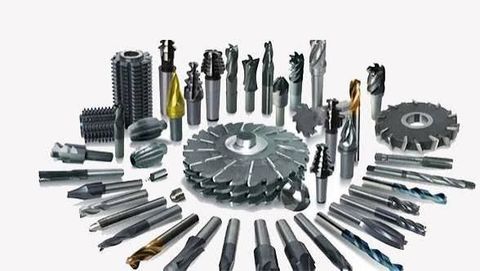
Industrial Tools Manufacturing Guide to Modern Production Processes
Updated: September 16, 2026
Read More
Precision Dosing Equipment: An Overview of Accurate Material Measurement
Updated: September 16, 2026
Read More