Luxury Sofa Set: A Guide to Styles, Materials, and Comfort
A luxury sofa set can become a major element of a living room, combining seating, visual design, materials, and comfort.
Unlike a basic seating arrangement, a luxury sofa set often places greater attention on upholstery, frame construction, proportions, detailing, and coordination with the surrounding interior.
Luxury sofa sets are available in many configurations, from traditional multi-piece arrangements to contemporary sectional designs. Understanding the available styles, materials, construction features, and maintenance requirements can help when planning a living space.
What Is a Luxury Sofa Set?
A luxury sofa set is a coordinated group of upholstered seating pieces designed with particular attention to materials, craftsmanship, proportions, and visual details. A set may contain a three-seat sofa, loveseat, armchairs, ottomans, or matching accent pieces.
The term luxury can refer to several characteristics, including premium upholstery, carefully constructed frames, detailed stitching, specialized finishes, distinctive designs, and enhanced seating comfort. These characteristics vary considerably between furniture collections.
Common Luxury Sofa Set Styles
Different design styles can create different visual effects within a living room.
Modern Luxury Sofa
Modern sofas generally use clean lines, simple geometric shapes, and restrained decorative elements. Neutral upholstery, metal accents, and low-profile frames are common design features.
Contemporary Sofa
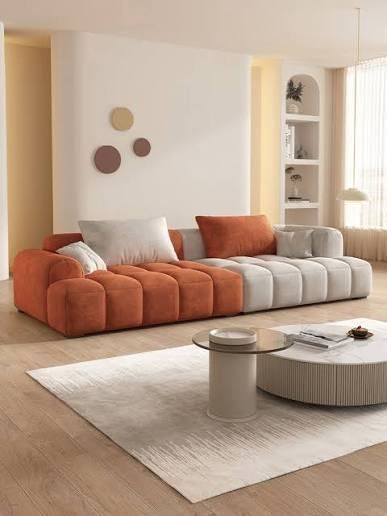
Contemporary designs often combine current interior trends with practical proportions. Curved backs, rounded armrests, textured fabrics, and modular configurations can appear in contemporary collections.
Classic Luxury Sofa
Classic sofas may incorporate deeper seating, rolled or shaped arms, decorative legs, button detailing, and traditional upholstery patterns.
Mid-Century Inspired Sofa
Mid-century-inspired designs commonly feature tapered legs, structured cushions, streamlined frames, and relatively simple silhouettes.
Sectional Sofa
Sectional sofas consist of multiple connected or coordinated sections. They can form L-shaped, U-shaped, or other configurations and are particularly useful for larger seating areas.
Curved Sofa
Curved sofas use rounded or flowing silhouettes rather than conventional straight profiles. They can create a softer visual arrangement and work well in conversational seating layouts.
Luxury Sofa Set Configurations
The configuration determines how the furniture fits into the room.
| Configuration | Typical Components | Suitable Setting |
|---|---|---|
| 3+2 Set | Three-seat sofa and two-seat sofa | Medium or large living rooms |
| Sofa + Chairs | Main sofa with accent chairs | Flexible seating areas |
| Sectional | Multiple connected sections | Large living rooms |
| Sofa + Loveseat | Main sofa and smaller sofa | Medium-sized spaces |
| Sofa + Ottoman | Sofa with matching ottoman | Relaxed seating areas |
| U-Shaped Sectional | Multiple seating sections | Large open rooms |
Room dimensions, doorways, walking paths, and existing furniture should be considered before selecting a configuration.
Upholstery Materials
The upholstery strongly influences the appearance, feel, and maintenance requirements of a sofa.
Leather
Leather is commonly used in luxury furniture because of its distinctive texture and durable surface characteristics. Different leather grades and finishing processes can produce different appearances and tactile qualities.
Velvet
Velvet provides a soft surface and a visually rich appearance. It can work particularly well in decorative interiors but generally requires appropriate care to maintain its texture.
Linen
Linen has a natural texture and breathable feel. It can create a relaxed appearance while requiring attention to staining and wrinkling.
Cotton Blends
Cotton-blend upholstery can combine natural fibers with synthetic materials to achieve specific texture, durability, or maintenance characteristics.
Performance Fabrics
Some engineered fabrics are designed to resist stains, moisture, abrasion, or fading. Their properties vary according to fiber composition and treatment.
Sofa Frame Construction
The internal frame provides structural support for the sofa. Common frame materials include hardwood, engineered wood, metal, or combinations of these materials.
Frame construction can influence stability and long-term structural performance. Joints, corner reinforcement, support rails, and connection methods are important details when evaluating furniture construction.
Cushion Construction
Sofa cushions can use several types of filling and support structures.
Foam
Foam cushions provide consistent shape and can be produced in different densities. Cushion firmness depends on foam characteristics and overall construction.
Feather and Down
Feather and down fillings create a softer, more relaxed seating feel. They may require regular adjustment to maintain their shape.
Fiber Filling
Synthetic or natural fibers can provide a softer cushion profile. Fiber-filled cushions may require periodic reshaping.
Hybrid Cushion Systems
Some luxury sofa designs combine foam, fiber, feathers, or other materials to balance support and softness.
Comfort Considerations
Comfort depends on more than cushion softness. Several dimensions influence how a sofa feels during use.
Important considerations include:
- Seat depth
- Seat height
- Cushion firmness
- Backrest angle
- Armrest height
- Lumbar support
- Cushion density
- Upholstery texture
- Overall sofa proportions
A sofa that feels comfortable for one person may not provide the same experience for another. Testing seating position and posture can therefore be useful when selecting furniture.
Choosing the Right Size
The sofa should be proportionate to the room and surrounding furniture. A large sectional may dominate a compact room, while a small sofa may appear visually disconnected in a large open space.
Measure the available floor area before selecting a sofa. Also measure doorways, stairways, elevators, corridors, and other access points to ensure the furniture can reach its intended location.
Color and Design Selection
Color influences how a sofa interacts with walls, flooring, curtains, lighting, and other furniture.
Neutral shades such as beige, cream, gray, brown, and soft white can work with a wide range of interior schemes. Deeper colors or patterned upholstery can create a stronger visual focal point.
Texture can also influence the overall appearance. Combining smooth surfaces with textured fabrics, wood, glass, or metal elements can create visual variation.
Luxury Sofa Sets and Interior Layouts
A sofa set can help define the functional zones of a living room.
In an open-plan space, a sectional can visually separate the seating area from dining or kitchen zones. A sofa paired with chairs can create a conversational arrangement while leaving clear movement paths through the room.
Coffee tables, side tables, floor lamps, rugs, and storage furniture should be arranged with adequate circulation space around the seating.
Maintenance and Care
Regular maintenance can help preserve the appearance and condition of upholstered furniture.
Routine Cleaning
Dust and surface debris can be removed using suitable vacuum attachments. Fabric-specific cleaning instructions should be followed to avoid damaging upholstery.
Spill Management
Spills should generally be addressed promptly using the cleaning method recommended for the specific upholstery material. Some fabrics require professional cleaning, while others can tolerate limited spot treatment.
Leather Care
Leather may require periodic cleaning and conditioning according to the manufacturer's recommendations. Excess moisture and unsuitable cleaning chemicals can damage some leather finishes.
Cushion Maintenance
Loose cushions can benefit from regular rotation or reshaping when recommended by the manufacturer. This can help distribute normal wear across seating surfaces.
Factors to Consider Before Selecting a Luxury Sofa Set
Several factors should be evaluated together rather than focusing only on appearance.
| Factor | Why It Matters |
|---|---|
| Room size | Determines suitable sofa dimensions |
| Configuration | Influences seating capacity and layout |
| Upholstery | Affects appearance, texture, and maintenance |
| Frame | Provides structural support |
| Cushion filling | Influences seating feel |
| Seat depth | Affects posture and comfort |
| Color | Influences interior coordination |
| Maintenance | Determines ongoing care requirements |
| Access dimensions | Affects delivery and installation |
| Usage pattern | Helps determine suitable materials and construction |
Sustainability Considerations
Furniture selection can also involve environmental considerations. Materials, manufacturing processes, product lifespan, repairability, and packaging can influence the overall environmental impact of a sofa.
Some manufacturers use recycled fibers, responsibly sourced wood, low-impact finishes, or modular construction. These characteristics should be evaluated based on documented material and manufacturing information.
Frequently Asked Questions
What materials are commonly used for luxury sofa sets?
Common materials include leather, velvet, linen, cotton blends, engineered fabrics, hardwood, engineered wood, metal, foam, fiber, and feather-based cushion fillings.
Are sectional sofas suitable for luxury living rooms?
Yes. Sectional sofas can provide substantial seating and can be configured for large or open-plan living rooms. Their dimensions should match the available space.
How do I choose the right sofa size?
Measure the room, available floor area, doorways, corridors, and other access points. Then consider walking paths and the dimensions of existing furniture.
What affects sofa comfort?
Seat depth, height, cushion filling, firmness, backrest angle, upholstery texture, armrest design, and lumbar support can all affect seating comfort.
How should a luxury sofa be maintained?
Maintenance depends on the upholstery and construction. Regular dust removal, prompt attention to spills, appropriate fabric or leather care, and cushion maintenance can help preserve the furniture.
Conclusion
A luxury sofa set combines seating function with interior design, materials, construction, and comfort. Styles range from modern and contemporary designs to classic, curved, mid-century-inspired, and sectional configurations.
When selecting a sofa set, consider room dimensions, configuration, upholstery, frame construction, cushion materials, seating proportions, color, maintenance requirements, and access conditions. A balanced approach can help create a comfortable and visually coordinated living room.

Related Post...