Women’s Pore Treatment: A Guide to Clearer-Looking Skin
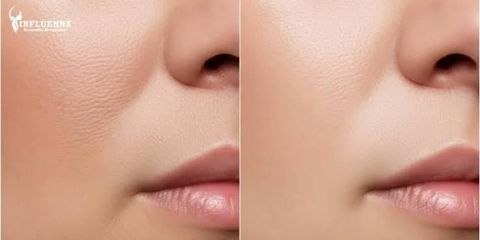
Women’s pore treatment focuses on managing the appearance of visible pores and supporting overall facial skin health.
Pores are natural openings connected to hair follicles and oil glands, but they can appear more noticeable when excess oil, dead skin cells, dehydration, or changes in skin elasticity are present.
A suitable skincare routine can help keep pores clean and may make them appear less prominent. Treatment choices depend on skin type, pore-related concerns, sensitivity, and whether the issue involves congestion, excess oil, or changes in skin texture.
What Are Facial Pores?
Facial pores are small openings in the skin through which sebum, the natural oil produced by sebaceous glands, reaches the skin surface. They are part of normal skin structure and cannot be permanently eliminated.
Pores may appear larger or more visible in areas where oil production is higher, particularly around the nose, forehead, and cheeks. Genetics, age, sun exposure, and skin characteristics can also influence their appearance.
What Causes Visible or Enlarged Pores?
Several factors can contribute to noticeable pores.
Excess Sebum
Higher oil production can make pores appear larger because sebum and other materials can accumulate around follicular openings.
Dead Skin Cell Accumulation
Dead skin cells that are not removed naturally can mix with sebum and contribute to clogged pores. This may make the skin surface appear uneven.
Reduced Skin Elasticity
As skin changes with age, reduced elasticity can affect the appearance of pores. Sun exposure can also contribute to changes in skin structure.
Dehydration
When the skin lacks sufficient moisture, fine surface lines and uneven texture may become more noticeable, which can make pores appear more prominent.
Genetics
Pore size and oil production are partly influenced by genetics. People with naturally oilier skin may notice visible pores more frequently.
Common Women’s Pore Treatment Approaches
Pore treatment can include everyday skincare and professional procedures.
| Treatment Approach | Main Purpose | Typical Use |
|---|---|---|
| Gentle Cleansing | Removes oil and surface impurities | Daily skincare |
| Chemical Exfoliation | Removes accumulated dead skin cells | Periodic skincare |
| Salicylic Acid | Helps clear oil and debris from pores | Oily or congested skin |
| Retinoids | Support cell turnover and skin texture | Selected skincare routines |
| Niacinamide | Supports oil regulation and skin barrier | Daily skincare |
| Moisturizers | Support hydration and barrier function | Daily skincare |
| Sunscreen | Helps protect skin from UV exposure | Daily daytime use |
| Professional Procedures | Address texture and pore appearance | Dermatological care |
Daily Skincare for Pore Appearance
A consistent routine can help maintain cleaner and healthier-looking skin.
Step 1: Gentle Cleansing
A mild cleanser can remove excess oil, makeup, sunscreen residue, and environmental impurities. Washing the face too aggressively may irritate the skin and interfere with its protective barrier.
Step 2: Appropriate Exfoliation
Chemical exfoliants such as salicylic acid or alpha hydroxy acids can help remove accumulated skin cells. Exfoliation frequency should match skin sensitivity and the particular product being used.
Step 3: Hydration
A lightweight moisturizer can help maintain the skin barrier. Even oily skin can benefit from appropriate hydration.
Step 4: Sun Protection
Broad-spectrum sunscreen helps protect the skin from ultraviolet radiation. Regular UV protection is important because cumulative sun exposure can contribute to changes in skin texture and elasticity.
Skincare Ingredients Used for Pore Care
Salicylic Acid
Salicylic acid is a beta hydroxy acid that can penetrate into oil-rich areas of the skin. It is commonly used in products intended for clogged pores and oily skin.
Niacinamide
Niacinamide, a form of vitamin B3, is used in many skincare products. It can support the skin barrier and may help improve the appearance of uneven texture and excess oil.
Retinoids
Retinoids influence skin cell turnover and are used in various dermatological routines. They may help improve skin texture over time, although some forms can cause dryness or irritation.
Alpha Hydroxy Acids
Ingredients such as glycolic acid and lactic acid work primarily on the skin's surface. They can help remove accumulated dead skin cells and improve the appearance of uneven texture.
Hyaluronic Acid
Hyaluronic acid is a humectant that helps attract and retain water in the skin. It is commonly included in hydrating formulations.
Pore Treatment According to Skin Type
Different skin types may require different approaches.
| Skin Type | Common Pore Concern | General Care Approach |
|---|---|---|
| Oily | Excess sebum and congestion | Gentle cleansing and suitable exfoliation |
| Dry | Texture and dehydration | Hydration and barrier support |
| Combination | Oiliness in some areas | Zone-specific skincare |
| Sensitive | Irritation and redness | Mild products and gradual introduction |
| Normal | Occasional congestion | Balanced cleansing and hydration |
Professional Women’s Pore Treatment Options
Some pore-related concerns may be addressed through professional dermatological procedures.
Chemical Peels
Chemical peels use selected acids at controlled concentrations to exfoliate the skin. Different formulations are chosen according to skin condition and treatment objectives.
Microdermabrasion
Microdermabrasion uses controlled mechanical exfoliation to remove superficial layers of dead skin cells. It may be considered for uneven texture and surface skin concerns.
Microneedling
Microneedling creates controlled microscopic punctures in the skin using fine needles. The procedure is used in dermatology and cosmetic care for various texture-related concerns.
Laser and Light-Based Procedures
Certain laser and light-based treatments are used to address skin texture, pigmentation, and other concerns. The appropriate technology depends on skin type and the specific condition being treated.
Professional procedures should be assessed by a qualified dermatologist or appropriately trained healthcare professional, particularly for sensitive or reactive skin.
What Should Be Avoided?
Some habits can make pore-related concerns more noticeable or cause irritation.
- Aggressive facial scrubbing
- Frequent squeezing or picking of pores
- Using multiple strong exfoliants at the same time
- Skipping moisturizer because of oily skin
- Using products that cause persistent irritation
- Sleeping with makeup on
- Excessive washing
- Introducing several active ingredients simultaneously
A gradual approach makes it easier to identify which products are suitable for individual skin.
How to Build a Pore-Care Routine
A simple routine may include:
Morning:
Gentle cleanser → moisturizer → broad-spectrum sunscreen
Evening:
Gentle cleanser → selected treatment product → moisturizer
An exfoliating or active ingredient can be incorporated according to skin tolerance. People using retinoids or stronger exfoliating ingredients should follow product directions and avoid combining multiple potentially irritating actives without appropriate guidance.
Factors That Affect Results
The appearance of pores can change gradually rather than immediately. Several factors influence how skin responds to a skincare routine.
These include age, genetics, oil production, sun exposure, hydration, hormonal changes, product selection, and consistency. Individual results can therefore vary considerably.
When to Consult a Dermatologist
Professional advice may be appropriate when enlarged or clogged pores occur alongside persistent acne, inflammation, painful lesions, significant skin sensitivity, or ongoing irritation.
A dermatologist can assess the skin and determine whether the concern is primarily related to oil production, acne, pigmentation, texture, or another skin condition.
Frequently Asked Questions
Can pores be permanently closed?
No. Pores are natural skin structures and cannot be permanently closed. Skincare can instead focus on keeping them clear and reducing their visible appearance.
Does washing the face reduce pore size?
Cleansing can remove surface oil and impurities, which may make pores appear cleaner. However, washing does not permanently change pore size.
Is salicylic acid useful for visible pores?
Salicylic acid can help remove oil and debris from pores and is commonly used for oily or congested skin. The appropriate concentration and frequency depend on individual skin tolerance.
Can moisturizer be used on oily skin?
Yes. Oily skin still needs hydration. A lightweight, non-comedogenic moisturizer may help maintain the skin barrier without adding excessive heaviness.
How long does pore treatment take to show changes?
The timeframe varies according to the underlying concern and treatment approach. Consistent skincare may gradually improve the appearance of texture and congestion, while professional procedures can have different recovery and response periods.
Conclusion
Women’s pore treatment is primarily focused on managing the factors that make pores appear more visible. Gentle cleansing, appropriate exfoliation, hydration, sun protection, and carefully selected active ingredients can form the foundation of a pore-care routine.
Professional options such as chemical peels, microdermabrasion, microneedling, and certain laser procedures may be considered for specific skin concerns. Because pore appearance is influenced by genetics, oil production, age, and skin structure, treatment should be adapted to individual needs rather than relying on a single approach.

Related Post...

Non-Surgical Skin Tightening Guide to Modern Treatment Options
Updated: September 16, 2026
Read More