Adhesive Dispensing Machine: An Overview of Modern Applications
An adhesive dispensing machine is equipment designed to apply controlled amounts of glue, epoxy, sealant, or other bonding materials to specific surfaces.
These machines are used in manufacturing environments where accurate adhesive placement is important for assembly, bonding, sealing, and product finishing. Depending on the application, an adhesive dispensing machine can operate manually, semi-automatically, or through a fully automated system.
Adhesive application has evolved from manual tools and basic mechanical dispensers to digitally controlled equipment. Modern industrial adhesive dispensing equipment can use pressure regulators, pumps, valves, sensors, and programmable controllers to manage material flow and application patterns. These technologies help manufacturers handle different materials and production requirements.
How Adhesive Dispensing Machines Work
An adhesive dispensing machine transfers bonding material from a container through a controlled delivery mechanism. The adhesive passes through a nozzle, needle, or dispensing valve and is applied to a designated location. Operators can adjust parameters such as dispensing volume, pressure, speed, and timing according to the adhesive and application.
An automatic adhesive dispensing machine uses programmed instructions to perform repeated application tasks. Some systems are integrated with conveyor lines or robotic equipment, while others operate at individual workstations.
Common Types of Adhesive Dispensing Equipment
Different machines are designed for particular materials and manufacturing processes.
- Precision adhesive dispensing machine: Applies small, controlled quantities of adhesive to components that require accurate placement.
- Industrial glue dispensing machine: Handles bonding tasks in production environments involving different materials and component sizes.
- Epoxy dispensing machine: Measures and applies epoxy materials used in structural bonding, coatings, and electronic assembly.
- Hot melt adhesive dispensing machine: Heats solid adhesive material and applies it in a molten state.
- Two component adhesive dispensing system: Combines two materials, often a resin and a hardener, in a specified mixing ratio.
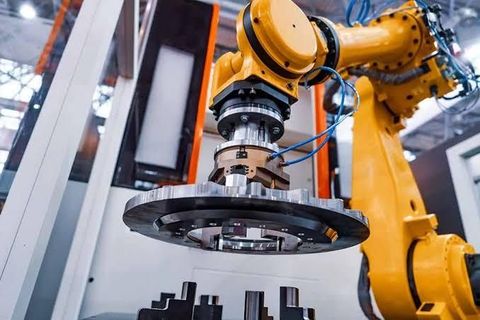
- Robotic adhesive dispensing system: Uses programmable robotic movement to apply adhesives along defined paths or across complex surfaces.
Each type has different operating requirements based on material properties, production volume, and application accuracy.
Importance
Adhesive dispensing equipment plays an important role in industries where bonding and sealing are part of product manufacturing. Electronics, automotive production, packaging, furniture assembly, medical device manufacturing, and construction-related production are among the areas where controlled adhesive application is used.
Manual adhesive application can involve variations in material quantity, placement, and application speed. Automated systems can help manage these variations by following programmed dispensing instructions. However, the actual results depend on equipment settings, adhesive characteristics, maintenance, and operating conditions.
Accuracy and Material Management
A high precision adhesive dispenser is useful when small amounts of adhesive must be placed in specific locations. Electronics assembly, for example, may require controlled adhesive application around sensitive components. Consistent dispensing can help reduce problems such as excess material, incomplete coverage, and uneven bonding.
Material management is another important consideration. Applying more adhesive than required may create waste or affect the finished product. A precision automated adhesive application system can regulate dispensing quantities according to defined process parameters.
Production Speed and Repeatability
High speed adhesive dispensing equipment is designed for applications involving repeated operations or continuous production. Automated equipment can coordinate adhesive application with conveyor movement, assembly stations, or robotic handling systems.
A multi axis adhesive dispensing robot can move along programmed paths to apply adhesive to surfaces with different shapes and orientations. This is particularly relevant for complex assemblies where a fixed dispensing nozzle may not reach every required location.
Applications Across Industries
Adhesive dispensing machines support different manufacturing activities:
- Automotive manufacturing: Applying sealants and bonding materials to selected vehicle components.
- Electronics: Dispensing adhesives around circuit boards, sensors, and electronic assemblies.
- Packaging: Applying hot melt adhesives to cartons, labels, and product packaging.
- Furniture production: Bonding panels, laminates, and wooden components.
- Construction materials: Applying sealants and bonding compounds to selected manufactured building components.
The choice of equipment depends on the material, component design, production volume, and required application pattern.
Recent Updates
Developments in adhesive dispensing technology from 2024 through 2026 reflect broader changes in industrial automation. Manufacturers are increasingly integrating programmable controls, machine vision, robotic movement, and production monitoring into adhesive application processes.
Robotics and Automated Dispensing
Robotic adhesive dispensing systems can follow programmed paths across components with different shapes. Improvements in motion control and equipment integration have expanded the range of applications involving curved surfaces, multiple dispensing points, and complex assembly layouts.
An automated epoxy dispensing system may also combine material metering, mixing, and application within one coordinated process. This arrangement is particularly relevant when working with adhesives that require precise mixing ratios or controlled application times.
Digital Monitoring and Process Control
Modern dispensing equipment may include sensors and digital interfaces that monitor pressure, material levels, dispensing cycles, and equipment status. These features can help operators identify changes in the dispensing process and review production information.
Machine vision technology is also used in some automated systems to locate components and verify adhesive placement. Its usefulness depends on factors such as surface appearance, lighting, inspection requirements, and system configuration.
Flexible Equipment Design
Manufacturing environments often handle different products and adhesive materials. As a result, equipment designs increasingly accommodate programmable dispensing patterns, adjustable settings, interchangeable nozzles, and integration with other production systems.
Advanced industrial glue dispensing systems may combine several of these features. However, compatibility with the adhesive material and the existing production setup remains an important consideration.
| Machine Type | Main Function | Common Application |
|---|---|---|
| Precision adhesive dispenser | Controlled small-volume application | Electronics assembly |
| Hot melt dispensing machine | Applies heated adhesive | Packaging |
| Epoxy dispensing machine | Measures and applies epoxy | Industrial bonding |
| Robotic dispensing system | Applies adhesive along programmed paths | Automotive assembly |
| Two component dispensing system | Measures and mixes two materials | Structural bonding |
| Industrial sealant dispensing machine | Applies sealing compounds | Component sealing |
Tools and Resources
Selecting and operating adhesive dispensing equipment involves understanding the adhesive material, application requirements, and production environment. Several technical resources can support this process.
Material and Equipment Selection Tools
Adhesive manufacturers' technical data sheets provide information about viscosity, curing conditions, mixing ratios, working time, and material compatibility. These details help determine which dispensing mechanisms and operating conditions are appropriate.
An adhesive dispensing machine price comparison may involve evaluating equipment capacity, automation level, dispensing accuracy, maintenance requirements, and integration needs. The machine configuration and application requirements can influence the overall price.
Process Monitoring and Maintenance Resources
Equipment manuals and maintenance checklists explain operating procedures, cleaning requirements, nozzle replacement, and calibration methods. These resources are particularly useful for maintaining consistent dispensing conditions.
Other relevant tools include:
- Flow-rate calculators for estimating material delivery over a defined period.
- Process mapping templates for documenting dispensing stages.
- Calibration records for tracking equipment adjustments.
- Production monitoring software for reviewing cycle information.
- Simulation and programming tools for planning robotic dispensing paths.
These resources help manufacturers document processes and understand how equipment settings relate to application results.
FAQs
What is an automatic adhesive dispensing machine?
An automatic adhesive dispensing machine uses programmed controls to apply adhesive according to defined settings. It can perform repeated dispensing tasks with limited manual intervention and may be integrated with conveyors or robotic equipment.
How does a precision adhesive dispensing machine work?
A precision adhesive dispensing machine controls the amount and placement of adhesive through mechanisms such as metering pumps, valves, pressure controls, and dispensing nozzles. Its operating settings depend on the adhesive and the required application pattern.
What factors affect adhesive dispensing machine price?
Adhesive dispensing machine price depends on factors such as automation level, dispensing accuracy, material compatibility, equipment capacity, robotic integration, and control features. Installation requirements and maintenance needs may also affect the overall investment.
What is a two component adhesive dispensing system?
A two component adhesive dispensing system measures and combines two materials, commonly a resin and a hardener, in a specified ratio. The mixed material is then applied to the required surface, with operating conditions determined by its chemical and curing properties.
Where is an industrial sealant dispensing machine used?
An industrial sealant dispensing machine is used in manufacturing processes that require controlled application of sealing compounds. Common applications include automotive components, equipment enclosures, electronic assemblies, and manufactured building materials.
Conclusion
Adhesive dispensing machines are used across manufacturing industries to apply bonding and sealing materials in controlled ways. Equipment ranges from basic dispensers to robotic systems capable of handling complex application patterns. Developments in digital monitoring, machine vision, and automation are expanding the capabilities of modern dispensing equipment. Material compatibility, application accuracy, production requirements, and maintenance remain important factors in understanding these systems.

Related Post...
Oral Liquid Filling Machine: A Guide to Modern Filling Technology
Updated: September 30, 2026
Read More
Capsule Polishing Machine: An Overview of Modern Polishing Technology
Updated: September 30, 2026
Read More