Heavy Duty Machinery: An Overview of Industrial Equipment and Applications
Heavy duty machinery plays an important role in construction, manufacturing, mining, agriculture, transportation, and infrastructure development.
These machines are designed to handle demanding operations involving heavy materials, large structures, high workloads, and continuous industrial activities. Heavy duty machinery includes equipment ranging from excavators and cranes to industrial presses, large processing machines, and material handling systems.
The development of heavy duty industrial machinery is closely connected to industrialization. As industries expanded, manual labor and basic mechanical tools became insufficient for handling larger production volumes and more complex operations. Improvements in engines, hydraulic systems, electrical controls, and mechanical engineering gradually transformed industrial equipment into the advanced machinery used today.
Modern heavy duty equipment combines mechanical components, hydraulic technology, electronic controls, and, in some cases, automated functions. Its design depends on the intended application, operating environment, load requirements, and expected working conditions.
Common Types of Heavy Duty Machinery
Different industries use specialized equipment to perform demanding physical and production tasks.
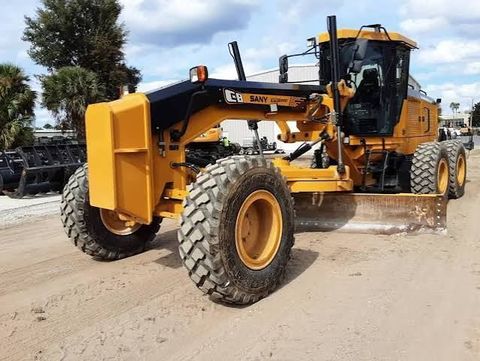
- Construction machinery: Excavators, bulldozers, loaders, graders, and cranes are used for earthmoving, lifting, excavation, and infrastructure projects.
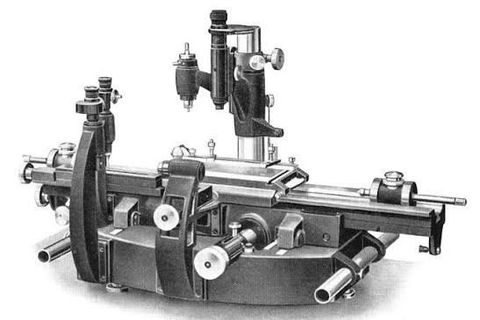
- Manufacturing equipment: Industrial presses, large machine tools, forging machines, and production systems handle heavy materials and manufacturing operations.
- Mining machinery: Drilling rigs, haul trucks, crushers, and large loaders support mineral extraction and material processing.
- Material handling machinery: Forklifts, conveyor systems, gantry cranes, and automated lifting equipment move materials within industrial facilities.
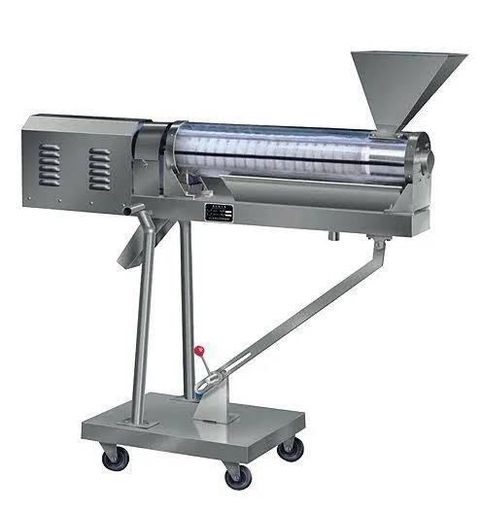
- Processing machinery: Industrial mixers, crushers, grinders, and heavy-duty production machinery transform raw materials into usable products.
Each category has distinct operating requirements, structural designs, and maintenance considerations.
Main Components and Operating Principles
Heavy machinery equipment generally contains a combination of structural frames, power sources, mechanical drives, and control systems. Hydraulic components are commonly used in equipment that requires substantial lifting or pushing force, while electric motors and mechanical transmissions support many industrial applications.
Sensors, programmable controllers, and monitoring interfaces are also becoming more common. These components help operators observe machine conditions and manage specific operating functions.
Importance
Heavy duty industrial equipment supports activities that affect everyday life, including road construction, building development, food production, energy generation, and the movement of goods. Large infrastructure projects depend on machinery capable of handling heavy loads, uneven terrain, and demanding operating conditions.
Industrial heavy machinery also helps manufacturers process large quantities of materials and carry out operations that would otherwise require extensive manual effort. Its role extends beyond factories to warehouses, ports, agricultural facilities, and public infrastructure projects.
Supporting Industrial Productivity
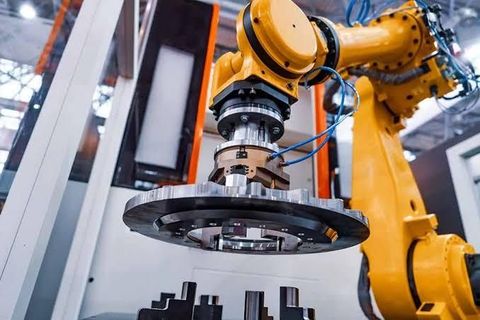
Heavy duty manufacturing equipment is used in operations such as metal forming, material cutting, assembly, and large-scale processing. Machines can perform repeated physical tasks with controlled movements and operating parameters.
In manufacturing facilities, heavy duty machine systems may be integrated into production lines. Their coordination helps organize the movement of materials between different stages of production.
Improving Material Movement and Infrastructure Work
Heavy duty construction machinery is essential for excavation, road building, foundation preparation, and large-scale lifting. Equipment such as cranes, excavators, and bulldozers can handle physical tasks involving substantial quantities of soil, concrete, and construction materials.
Heavy duty material handling machinery also supports logistics operations. Conveyors, industrial lifts, and heavy-load transport equipment help move materials between storage areas, production stations, and shipping locations.
Addressing Operational Challenges
Operating heavy machinery involves several practical challenges, including equipment wear, energy consumption, worker safety, and environmental conditions. Dust, vibration, extreme temperatures, and heavy workloads can affect equipment performance.
Routine inspections, operator training, appropriate load management, and planned maintenance are important parts of managing heavy duty industrial systems. The specific requirements depend on the machine type and its operating environment.
Recent Updates
Developments in heavy duty machinery from 2024 through 2026 have increasingly focused on automation, electrification, digital monitoring, and energy efficiency. These changes reflect broader developments in industrial technology and the need to manage equipment performance across demanding applications.
Automation and Intelligent Equipment
Heavy duty automation equipment is becoming more integrated with sensors, digital controls, and automated operating functions. Some modern construction and manufacturing machines can use positioning systems, cameras, and electronic controls to assist with specific tasks.
Advanced heavy duty machinery may also incorporate software that records operating information. Such data can help operators and maintenance teams understand equipment activity, identify unusual conditions, and plan inspections.
Electrification and Energy Management
Electric-powered machinery is receiving greater attention in industrial facilities and selected construction applications. Battery-powered equipment can reduce direct exhaust emissions during operation, although its overall environmental impact depends on electricity generation, battery production, and operating requirements.
Hybrid systems also combine different power technologies. Their suitability depends on factors such as machine size, operating duration, available charging infrastructure, and the nature of the work.
Digital Monitoring and Predictive Maintenance
Digital monitoring tools can collect information about machine temperature, vibration, pressure, operating hours, and other equipment conditions. Industrial operators can use these records to track performance and identify potential maintenance needs.
Predictive maintenance systems analyze equipment data to detect patterns that may indicate developing problems. Their accuracy depends on sensor quality, data availability, equipment characteristics, and the methods used for analysis.
| Technology | Main Function | Common Application |
|---|---|---|
| Hydraulic systems | Generate and control mechanical force | Excavators and industrial presses |
| Automated controls | Manage programmed machine operations | Manufacturing equipment |
| Digital sensors | Measure equipment conditions | Industrial monitoring |
| Electric drives | Convert electrical energy into movement | Factory machinery and selected construction equipment |
| Predictive maintenance software | Analyze operating data | Heavy industrial machinery |
| Positioning systems | Support location and movement control | Construction and material handling |
Tools and Resources
Managing heavy duty machinery involves technical documentation, planning tools, equipment monitoring platforms, and safety resources. These tools help operators, engineers, and maintenance teams understand machine capabilities and operating requirements.
Equipment Planning and Monitoring Tools
Equipment planning software can help organizations schedule machinery use, track operating hours, and coordinate maintenance activities. Digital fleet management platforms may also record equipment locations, fuel consumption, utilization, and operating conditions.
Common resources include:
- Equipment inspection checklists for recording machine conditions.
- Load charts for understanding crane lifting limits.
- Maintenance schedules for organizing routine inspections.
- Equipment manuals for identifying operating procedures and technical specifications.
- Fleet monitoring platforms for tracking machinery activity.
- Simulation and design tools for studying machine movement and system behavior.
Safety and Technical Resources
Technical documentation is important when operating industrial heavy equipment systems. Manufacturer manuals explain machine-specific controls, capacity limits, maintenance procedures, and safety requirements.
Organizations such as the International Organization for Standardization (ISO) publish standards relevant to machinery safety and equipment design. Government occupational safety websites also provide information about workplace hazards, machinery operation, and protective practices.
Maintenance and Performance Analysis
Maintenance management software can organize inspection records, replacement schedules, equipment histories, and repair activities. Process analysis tools may help identify recurring equipment interruptions or patterns in machinery utilization.
These resources are relevant to complete heavy duty industrial machinery operations, where multiple machines and interconnected systems may need coordinated monitoring.
FAQs
What is heavy duty machinery used for?
Heavy duty machinery is used for demanding physical and industrial activities, including construction, mining, manufacturing, lifting, excavation, and material processing. Its design allows it to handle substantial workloads under specific operating conditions.
What are the main types of heavy duty industrial machinery?
Common types include excavators, cranes, bulldozers, industrial presses, mining trucks, crushers, large machine tools, and heavy material handling equipment. Each category is designed for particular tasks and working environments.
How does heavy duty construction machinery work?
Heavy duty construction machinery uses engines or electric motors, hydraulic systems, mechanical drives, and electronic controls to perform tasks such as digging, lifting, grading, and moving materials. The operating method varies according to the equipment's design.
What is heavy duty manufacturing equipment?
Heavy duty manufacturing equipment refers to industrial machines designed to process, shape, assemble, or move large or heavy materials. Examples include forging presses, industrial cutting machines, large milling machines, and automated production systems.
How is heavy duty machinery maintained?
Maintenance typically involves regular inspections, lubrication, cleaning, component checks, and monitoring of operating conditions. Maintenance intervals and procedures vary according to equipment specifications, usage, and environmental conditions.
Conclusion
Heavy duty machinery supports construction, manufacturing, mining, infrastructure development, and material handling across many industries. Its development has progressed from basic mechanical equipment to integrated systems that use hydraulics, electronic controls, automation, and digital monitoring. Recent developments are placing greater attention on electrification, equipment data, and maintenance planning. Understanding machinery types, applications, operating principles, and safety requirements provides useful background on the role of industrial equipment in modern operations.

Related Post...
Air Jet Loom: An Overview of Modern High-Speed Weaving Technology
Updated: September 30, 2026
Read More
High Speed Machinery: An Overview of Modern Industrial Equipment
Updated: September 30, 2026
Read More