How Industrial Hoisting Systems Work: A Complete Guide
Industrial hoisting systems are mechanical systems designed to lift, lower, and position heavy loads in controlled environments.
They are used across manufacturing plants, warehouses, construction facilities, workshops, ports, power plants, and other industrial locations where materials need to be moved vertically or positioned at different heights.
A hoisting system can use electric motors, hydraulic power, pneumatic systems, or manual mechanisms. The configuration depends on load capacity, lifting height, operating frequency, available power, workspace, and the type of material being handled.
Why Industrial Hoisting Systems Matter
Moving heavy components manually can create significant handling challenges. Industrial hoisting systems provide controlled vertical movement and can be integrated with cranes, gantries, monorails, workstations, and material-handling structures.
Common functions include:
- Lifting heavy components
- Lowering materials into position
- Moving loads between different elevations
- Positioning machinery during installation
- Loading and unloading materials
- Supporting manufacturing operations
- Handling equipment during maintenance
- Moving materials within warehouses
The appropriate system depends on the weight and dimensions of the load, lifting distance, duty cycle, environmental conditions, and required movement pattern.
How Industrial Hoisting Systems Work
Although designs vary, most industrial hoisting systems follow the same basic principle: a power source drives a lifting mechanism that moves a load-bearing component vertically.
1. Load Attachment
The process begins by connecting the load to a suitable lifting accessory. Depending on the application, this may include hooks, slings, lifting beams, clamps, grabs, or other approved attachments.
The attachment must be compatible with the load shape, weight, center of gravity, and lifting configuration.
2. Power Generation
The hoisting mechanism receives power from an energy source.
Electric hoists use an electric motor, while hydraulic systems use pressurized fluid. Pneumatic hoists use compressed air, and manual hoists rely on human-applied mechanical force.
3. Mechanical Transmission
The power source drives gears, drums, sprockets, chains, or other transmission components.
Gearing can convert motor speed into the torque required for lifting. The transmission system also helps control the lifting speed and direction.
4. Lifting Mechanism
The lifting mechanism moves a chain, wire rope, belt, or similar load-bearing element.
In a wire-rope hoist, the rope can wind around a drum. In a chain hoist, the chain moves through a load sprocket or related mechanism.
5. Load Movement
As the lifting element moves, the attached load rises or descends. Braking and control mechanisms regulate movement and help hold the load when the lifting motion stops.
6. Positioning
Once the load reaches the required elevation, the operator or control system stops the hoist.
Some systems are integrated with horizontal movement equipment, allowing the load to be moved laterally after lifting. This arrangement is common in overhead crane systems.
Main Types of Industrial Hoisting Systems
Industrial hoisting systems can be categorized according to their power source, lifting mechanism, and installation arrangement.
Electric Hoists
Electric hoists use motors to drive gears and lifting mechanisms. They can provide controlled lifting and lowering for a wide range of industrial applications.
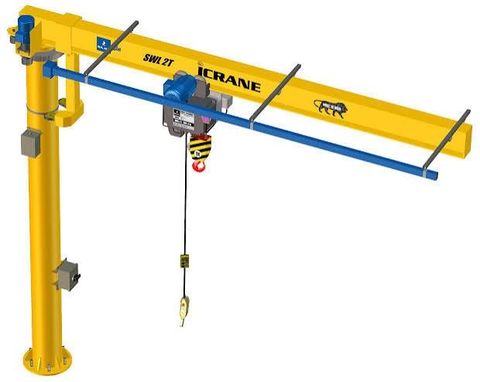
Electric systems can be integrated with overhead cranes, gantry cranes, monorails, and workstation lifting structures.
Hydraulic Hoists
Hydraulic hoisting systems use pressurized hydraulic fluid to generate lifting force.
They can be used where high force is required and are suitable for specific industrial environments involving hydraulic power systems.
Pneumatic Hoists
Pneumatic hoists use compressed air as their power source. Their characteristics can make them suitable for environments where electric equipment requires additional consideration.
Manual Hoists
Manual chain and lever hoists use mechanical advantage to lift loads through manually applied force. They are commonly used where lifting frequency is limited or electrical and pneumatic power is not available.
Wire Rope Hoists
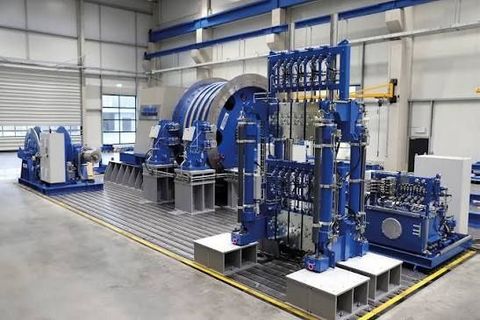
Wire rope hoists use a wire rope wound around a drum. They are frequently incorporated into crane systems and applications involving substantial lifting heights or load capacities.
Chain Hoists
Chain hoists use a load chain and sprocket mechanism. They can have a relatively compact configuration and are used in manufacturing, maintenance, workshops, and material-handling applications.
Comparison of Hoisting System Types
| System Type | Power Source | Lifting Element | Typical Application |
|---|---|---|---|
| Electric hoist | Electricity | Chain or wire rope | Manufacturing and warehouses |
| Hydraulic hoist | Hydraulic fluid | Cylinder or lifting mechanism | Heavy-load applications |
| Pneumatic hoist | Compressed air | Chain or wire rope | Selected industrial environments |
| Manual chain hoist | Manual force | Chain | Maintenance and workshops |
| Lever hoist | Manual force | Chain or wire rope | Positioning and pulling |
| Wire rope hoist | Electricity or other drive | Wire rope | Cranes and heavy material handling |
Main Components of Industrial Hoisting Systems
Motor
Electric hoists use motors to generate rotational power. Motor characteristics influence lifting speed, duty cycle, and load-handling capability.
Gearbox
The gearbox transfers motor power while reducing rotational speed and increasing torque at the lifting mechanism.
Drum or Sprocket
Wire-rope systems typically use a drum, while chain systems commonly use a load sprocket to move the lifting element.
Chain or Wire Rope
The lifting element carries the load between the hoist and attachment point. Its capacity and condition must be appropriate for the application.
Hook
Hooks connect the lifting element to the load or an intermediate lifting accessory. Hook condition and attachment configuration are important safety considerations.
Brake
Braking systems control movement and help hold suspended loads when lifting motion stops.
Control System
Controls allow operators to start, stop, raise, lower, and sometimes vary the lifting speed.
Limit Switches
Limit switches can prevent the lifting mechanism from traveling beyond predetermined positions.
Load Protection System
Depending on the design, hoists may incorporate overload protection, load monitoring, emergency stopping, and other protective features.
Factors Affecting Hoisting System Selection
Selecting an appropriate hoisting system requires consideration of several operating parameters.
Load Capacity
The system must be rated for the maximum intended load, including the weight of lifting accessories where applicable.
Lifting Height
Required vertical travel affects the selection of chain, wire rope, drum, and other components.
Duty Cycle
Frequent lifting operations can place greater demands on motors, brakes, gears, and other components than occasional use.
Operating Environment
Temperature, humidity, dust, chemicals, outdoor exposure, and other environmental conditions can influence equipment selection.
Lifting Speed
Some applications require precise low-speed positioning, while others involve repetitive lifting operations. The appropriate speed range depends on the task.
Installation Arrangement
Hoists can be mounted on overhead cranes, monorails, gantries, wall-mounted structures, workstation systems, or other supporting structures.
Automation and Monitoring
Modern industrial hoisting systems can incorporate sensors and control technologies for monitoring and positioning.
Common monitored parameters include:
- Load weight
- Motor temperature
- Brake condition
- Lifting speed
- Operating cycles
- Travel position
- Vibration
- Motor current
- System faults
Automated systems can coordinate hoisting with crane travel, robotic equipment, production lines, and warehouse management systems. Sensors can also provide information about operating conditions and maintenance requirements.
Applications of Industrial Hoisting Systems
Industrial hoisting systems are used in many sectors.
Manufacturing Plants
Hoists can move dies, molds, motors, assemblies, and other heavy components between workstations.
Warehouses
Hoisting systems can support material movement where heavy items need to be raised or positioned at elevated storage or processing areas.
Construction
Hoists are used for moving construction materials and equipment vertically when the selected system is appropriate for the site and load requirements.
Workshops
Manual and powered hoists can assist with machinery maintenance, component positioning, and equipment installation.
Ports and Industrial Facilities
Hoisting equipment can be integrated with cranes and other lifting structures for material handling and equipment movement.
Power and Process Plants
Hoists can assist with maintenance activities involving pumps, motors, valves, machinery components, and other heavy equipment.
Maintenance Requirements
Regular inspection helps identify wear before it affects safe operation. Important components include hooks, chains, wire ropes, drums, gears, brakes, bearings, limit switches, controls, and structural connections.
Operators should monitor unusual noise, vibration, inconsistent movement, brake behavior, damaged chains, distorted hooks, and worn wire ropes.
Lubrication requirements vary by component and equipment design. Maintenance should follow the manufacturer's instructions and applicable inspection requirements.
Safety Considerations
Hoisting systems handle suspended loads, so proper operating procedures are essential. Loads should remain within the rated capacity of the equipment and lifting accessories.
Operators should verify load attachment, inspect lifting components, maintain clear communication, and keep personnel away from suspended loads.
Overload protection, emergency stopping systems, limit switches, brakes, guards, and other protective features should be maintained in working condition. Inspection and maintenance should be performed according to applicable regulations and equipment requirements.
FAQs
What is an industrial hoisting system?
An industrial hoisting system is equipment designed to raise, lower, and position loads using mechanisms such as chains, wire ropes, hydraulic cylinders, or other lifting elements.
What are the main types of industrial hoists?
Common types include electric, hydraulic, pneumatic, manual chain, lever, wire rope, and chain hoists. Selection depends on load requirements, lifting height, operating environment, and duty cycle.
What determines hoist capacity?
Hoist capacity depends on the rated design of the equipment and its components. The intended load, lifting configuration, accessories, and operating conditions must all be considered.
What is the difference between a chain hoist and a wire rope hoist?
A chain hoist uses a load chain to raise and lower materials, while a wire rope hoist uses a wire rope wound around a drum. Their configurations and typical applications can differ.
How often should industrial hoisting systems be inspected?
Inspection frequency depends on equipment type, operating conditions, usage, applicable regulations, and manufacturer requirements. Frequent-use equipment may require more regular inspection than equipment used occasionally.
Conclusion
Industrial hoisting systems provide controlled methods for lifting, lowering, and positioning heavy loads. Depending on the application, they can use electric motors, hydraulic systems, compressed air, or manual mechanical force.
The main components include motors or power sources, gears, drums or sprockets, chains or wire ropes, hooks, brakes, controls, and protective devices. Appropriate capacity, lifting height, duty cycle, environment, and installation arrangement should be considered when selecting a system.
Regular inspection, maintenance, load control, proper attachment, and safe operating procedures are essential for reliable industrial lifting operations.

Related Post...
Gas Insulated Switchgear: An Overview of Modern Electrical Protection
Updated: September 22, 2026
Read More