Laboratory Washer Sterilizer: An Overview of Cleaning and Sterilization Systems
A laboratory washer sterilizer is a type of equipment designed to support the cleaning and, in some configurations, sterilization or disinfection of laboratory items.
These systems are used for items such as glassware, instruments, containers, and reusable laboratory equipment. They combine controlled washing processes with thermal or other treatment methods according to the equipment design and the requirements of the laboratory.
Laboratories have long used manual washing, rinsing, drying, and separate sterilization methods. As laboratory activities became more standardized, equipment manufacturers developed dedicated laboratory cleaning equipment and laboratory sterilization equipment to make repeated cleaning processes more controlled and consistent.
A laboratory glassware washer is one common example. It can use programmed washing cycles, water circulation, detergents, rinsing stages, and drying functions to clean reusable glassware. More specialized equipment can include a laboratory washer disinfector, which combines washing with a controlled disinfection cycle.
How Laboratory Cleaning Systems Work
Laboratory cleaning systems generally use several stages. Depending on the model and application, these can include pre-rinsing, washing, intermediate rinsing, final rinsing, thermal treatment, and drying.
A typical cycle may involve:
- Loading laboratory items into racks or holders.
- Applying water and cleaning agents during a programmed washing stage.
- Rinsing away remaining residues.
- Applying a thermal or chemical disinfection stage where applicable.
- Drying items before removal.
The exact sequence varies according to the laboratory washer equipment, load type, materials, and selected cycle.
Washing and Sterilization Are Different
Cleaning removes visible and microscopic residues from surfaces, while disinfection reduces microorganisms to a defined level. Sterilization is a separate process intended to eliminate all forms of viable microorganisms under specified conditions.
For this reason, a laboratory washer sterilization system should not be assumed to perform the same function as a dedicated sterilizer simply because it uses high temperatures. The required process depends on the equipment design, load, cycle parameters, and applicable laboratory procedures.
Importance
Laboratory cleaning affects many environments, including research facilities, educational laboratories, testing facilities, healthcare-related laboratories, and industrial laboratories. Reusable glassware and instruments can retain residues after use, making appropriate cleaning an important part of laboratory workflow.
Manual cleaning can involve repeated handling, water use, detergent application, rinsing, and drying. Automated systems can organize these steps into defined cycles, reducing the number of manual actions involved in routine cleaning.
Supporting Consistent Cleaning
A laboratory instrument washer can provide programmed control over factors such as water temperature, washing duration, rinsing, and drying. Consistent cycle parameters can help laboratories follow documented cleaning procedures.
An automated laboratory washer can also help standardize routine handling when many similar items need to be processed. However, cycle selection remains important because different materials and residues may require different cleaning conditions.
Protecting Laboratory Materials
Laboratory glassware cleaning systems must account for the physical characteristics of the items being processed. Glass, stainless steel, plastics, and other materials can respond differently to heat, detergents, and mechanical water action.
Racks and holders can help keep items positioned correctly during a cycle. Proper loading also helps water and cleaning solutions reach the surfaces that need treatment.
Cleaning and Disinfection Considerations
Laboratory disinfection equipment may use heat or chemical processes, depending on its configuration. Thermal disinfection can involve controlled water temperatures for a defined period, while chemical methods use a specified disinfecting agent.
A high temperature laboratory sterilizer requires controlled temperature and exposure conditions. Temperature alone does not establish that a process has achieved sterilization; the complete validated cycle and monitoring method are relevant.
Recent Updates
From 2024 through 2026, laboratory cleaning technology has generally moved toward greater automation, improved monitoring, digital controls, and more structured documentation. These developments reflect the increasing use of connected laboratory equipment and standardized workflows.
Increased Automation
Automated laboratory cleaning systems can combine programmable cycles with sensors and electronic controls. Depending on the equipment, sensors may monitor parameters such as temperature, water conditions, or cycle progress.
Automated laboratory washer disinfector systems can integrate washing and thermal disinfection into a coordinated sequence. This can reduce the need to transfer items between separate stages, although the suitability of such an approach depends on the laboratory's procedures.
Digital Monitoring and Documentation
Modern laboratory washer sterilizers increasingly use digital interfaces to display cycle information. Some systems can record selected operating parameters, alarms, and completed cycles.
Electronic records can support laboratory documentation by showing information about when a cycle was performed and which program was used. Data capabilities differ considerably between systems, so the specific functions of each system need to be considered separately.
Greater Attention to Water and Energy Use
Laboratory washing machines can consume significant amounts of water and energy depending on load size, cycle configuration, heating requirements, and drying method. Current equipment development increasingly considers water circulation, heat management, and cycle efficiency.
These factors are relevant because laboratories may run cleaning processes repeatedly. Reducing unnecessary water or energy use requires appropriate loading and cycle selection rather than simply shortening treatment parameters.
| System Type | Primary Function | Typical Applications |
|---|---|---|
| Laboratory glassware washer | Automated cleaning and rinsing | Beakers, flasks, bottles |
| Laboratory instrument washer | Cleaning reusable instruments | Laboratory instruments and components |
| Washer disinfector | Cleaning plus controlled disinfection | Reusable laboratory items |
| Laboratory sterilizer equipment | Sterilization | Suitable heat-resistant materials |
| Automated cleaning system | Programmed cleaning workflows | Repeated laboratory cleaning |
Tools and Resources
Several resources can help laboratories understand and manage cleaning and sterilization processes. Equipment manuals are important for identifying compatible materials, cycle parameters, loading arrangements, detergents, and maintenance requirements.
Process Documentation
Laboratory cleaning procedures can be documented through standard operating procedure templates. These documents can describe:
- Item preparation before washing.
- Appropriate rack or holder configuration.
- Selected cleaning cycle.
- Rinsing and drying requirements.
- Inspection after processing.
- Documentation and monitoring steps.
Such documentation helps establish a consistent workflow for personnel working with reusable laboratory items.
Monitoring Resources
Laboratories may use temperature indicators, chemical indicators, biological indicators, data loggers, or other monitoring methods where appropriate to the process. The appropriate monitoring approach depends on the equipment, process, laboratory requirements, and applicable standards.
For sterilization-related work, laboratories commonly consult relevant standards and guidance from organizations such as ISO, national standards bodies, and laboratory safety authorities. These resources provide technical information about process validation, monitoring, equipment operation, and quality practices.
Equipment Planning Resources
Manufacturers' technical manuals, laboratory equipment specifications, and compatibility charts can help explain how laboratory washer equipment is configured. Information about chamber dimensions, rack arrangements, temperature ranges, cycle programs, drying methods, and water requirements can also help users understand system characteristics.
FAQs
What is a laboratory washer sterilizer?
A laboratory washer sterilizer is equipment designed for controlled cleaning and, depending on its configuration, disinfection or sterilization of reusable laboratory items. Washing and sterilization are separate processes and should not be treated as interchangeable.
How does a laboratory glassware washer work?
A laboratory glassware washer normally uses programmed stages involving water circulation, cleaning agents, rinsing, and drying. Some systems also include thermal disinfection or other treatment stages.
What is a laboratory washer disinfector?
A laboratory washer disinfector combines automated washing with a controlled disinfection process. The equipment may use thermal treatment or another defined method, depending on its design and operating cycle.
Is a high temperature laboratory sterilizer the same as a washer?
No. A washer primarily removes residues and contaminants, while a sterilizer is designed for a validated sterilization process. Some integrated systems combine cleaning with additional treatment, but their specific capabilities depend on their design and validated cycles.
What should be considered when using laboratory sterilization equipment?
Important considerations include the materials being processed, load configuration, temperature requirements, cycle duration, compatibility with cleaning agents, monitoring procedures, and applicable laboratory protocols.
Conclusion
Laboratory washer sterilizers combine automated cleaning technologies with additional treatment capabilities depending on system design. Laboratory glassware washers, instrument washers, washer disinfectors, and dedicated sterilizer equipment serve different purposes within laboratory workflows. Recent developments have emphasized automation, digital monitoring, documentation, and more controlled use of water and energy. Understanding the distinction between cleaning, disinfection, and sterilization is important when interpreting the functions of laboratory cleaning systems.

Related Post...
Electromagnetic Positioning System: An Overview of Modern Positioning Technology
Updated: September 16, 2026
Read More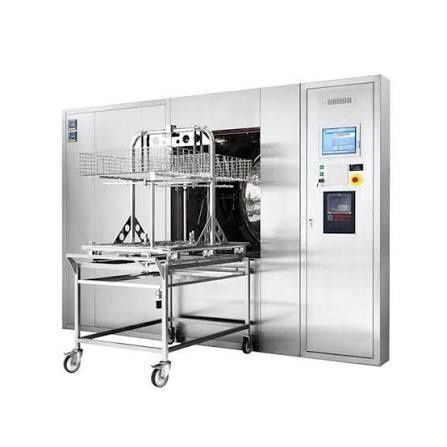
Laboratory Washer Sterilizer: An Overview of Cleaning and Sterilization Systems
Updated: September 16, 2026
Read More
Precision Dosing Equipment: An Overview of Accurate Material Measurement
Updated: September 16, 2026
Read More