Paste Packaging Systems: An Overview of Modern Packaging Technology
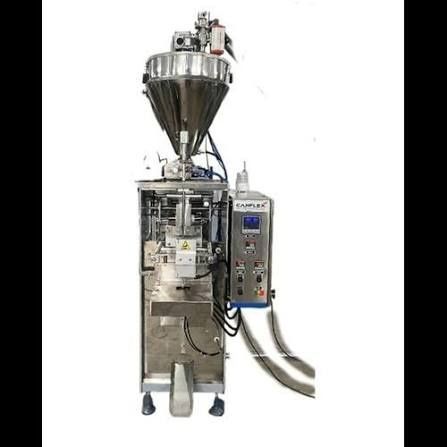
Paste packaging systems are designed to measure, fill, seal, and package products that have a thick, semi-solid, or viscous consistency.
Unlike free-flowing liquids, pastes can move slowly and may require controlled pressure or specialized filling mechanisms. Paste packaging equipment is therefore designed around the physical characteristics of the material being packaged.
Paste products are found across many industries, including food production, cosmetics, household products, industrial materials, and pharmaceutical manufacturing. Depending on the application, a paste packaging machine may fill containers such as tubes, jars, bottles, pouches, or other purpose-designed packages.
The development of automated packaging technology came from the need to make repetitive filling and packaging processes more consistent and easier to manage. Manual filling can involve several separate steps, while an automated paste packaging machine can coordinate multiple stages within one production sequence.
How Paste Packaging Works
A typical paste filling and packaging machine can include several stages. Containers are positioned, the required quantity of material is measured, the paste is transferred into the container, and the package is then closed or sealed.
The exact sequence varies according to the container and product. An automatic paste filling machine may use piston fillers, pumps, augers, or other mechanisms to move a measured quantity of material. Control systems coordinate movement, filling intervals, and other machine functions.
Paste packaging systems can also include sensors that detect container position, filling conditions, or machine status. These sensors help the control system coordinate different stages of the packaging process.
Main Types of Paste Packaging Equipment
Different applications require different equipment configurations. Common categories include:
- Paste filling equipment designed to transfer measured quantities into containers.
- Paste sealing equipment used to close tubes, pouches, or other packages.
- Automatic paste filling machines that coordinate container handling and filling.
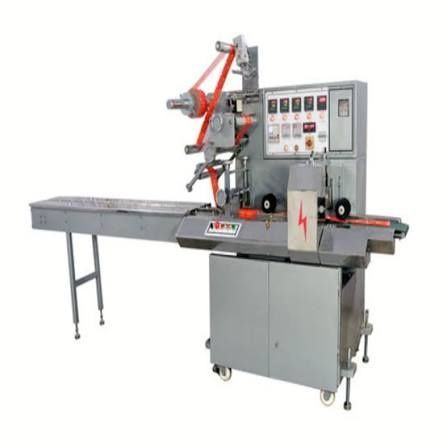
- Paste filling and packaging machines that combine filling with subsequent packaging stages.
- Industrial paste filling equipment designed for continuous production environments.
- Precision paste filling equipment designed to control the quantity delivered to each container.
An industrial paste packaging system may combine several of these functions into a connected production line.
Importance
Paste packaging technology matters because the physical properties of thick products can make accurate handling more difficult than handling ordinary liquids. Viscosity, temperature, particle content, and product consistency can all affect how a paste moves through filling equipment.
For manufacturers, controlled filling can help maintain consistency between individual packages. For consumers, packaging accuracy and reliable sealing can influence product quantity, protection, storage, and ease of use.
Supporting Consistent Filling
Precision paste packaging systems are designed to control the amount of material placed into each package. A filling mechanism may use a defined chamber volume, piston movement, pump operation, or another measurement method.
The actual filling result can be influenced by several factors, including:
- Product viscosity and temperature.
- Filling nozzle design.
- Pump or piston configuration.
- Container dimensions.
- Filling speed.
- Product characteristics.
- Machine calibration and maintenance.
High precision paste packaging systems therefore require appropriate equipment settings for the material being handled. A machine configured for one type of paste may not behave identically with another product.
Improving Production Coordination
Industrial paste packaging systems can connect filling, sealing, labeling, inspection, and container movement into a coordinated sequence. Automated paste packaging equipment reduces the need for operators to manually repeat every individual movement.
A high speed paste packaging machine can be designed for production environments where containers need to pass through the packaging stages continuously. However, operating speed is only one part of packaging performance, since filling accuracy, product characteristics, container handling, and inspection also influence the overall process.
Applications Across Industries
Paste packaging technology is used in different sectors because many products have thick or semi-solid forms. Cosmetic paste packaging systems can handle products such as creams, gels, and similar formulations.
Pharmaceutical paste packaging equipment can be used for certain topical or semi-solid products. Industrial applications may involve adhesives, sealants, compounds, or other viscous materials.
| Packaging Area | Typical Product Form | Common Packaging Formats |
|---|---|---|
| Cosmetics | Creams and gels | Tubes, jars, bottles |
| Food | Thick sauces and spreads | Jars, pouches, containers |
| Pharmaceuticals | Semi-solid formulations | Tubes, jars, specialized containers |
| Household products | Thick liquids and pastes | Bottles, tubes, tubs |
| Industrial materials | Adhesives and compounds | Cartridges, tubes, containers |
Recent Updates
From 2024 through 2026, paste packaging technology has continued moving toward greater automation, digital monitoring, improved machine integration, and more flexible production arrangements. The general direction is toward equipment that can collect operating information while coordinating multiple packaging stages.
Increased Automation
Automated paste filling and packaging systems increasingly combine filling, container handling, sealing, inspection, and control functions. This reduces the number of separate manual steps required within a packaging line.
Industrial automated paste packaging equipment can also integrate sensors and programmable control systems. These technologies allow machine conditions to be monitored and selected operating parameters to be adjusted according to predefined settings.
Greater Focus on Precision
Precision filling remains an important area because different paste products behave differently during filling. Modern precision paste filling equipment can incorporate electronic controls and measurement systems to help manage filling parameters.
Advanced paste packaging machinery may also include adjustable filling volumes, touchscreen interfaces, automatic container detection, and electronic monitoring. The available features vary according to the machine configuration and application.
Digital Monitoring and Data
Digital controls are becoming more common in industrial packaging environments. Data from sensors can be used to monitor production conditions, identify interruptions, and record selected machine parameters.
These capabilities can support process documentation and maintenance planning. However, digital monitoring does not eliminate the need for physical inspection, equipment checks, or appropriate operator oversight.
Packaging Flexibility
Another general development is greater attention to flexible packaging formats and product changes. Equipment may be designed with adjustable filling settings and changeable components to accommodate different container sizes or paste characteristics.
Automated pharmaceutical paste packaging systems and cosmetic paste packaging systems can have additional requirements related to hygiene, material compatibility, cleaning procedures, and controlled production environments.
Tools and Resources
Understanding paste packaging equipment often requires information about the product, container, filling method, and production process. Several practical resources can help explain or evaluate these factors.
Packaging Calculators and Templates
Packaging calculations can help estimate container volume, fill quantity, production throughput, and material usage. Spreadsheet templates can also be used to record container dimensions, filling parameters, inspection results, and equipment settings.
Useful resources include:
- Container volume calculators for estimating internal capacity.
- Production-rate calculators for estimating units processed over a given period.
- Packaging specification templates for documenting container and product requirements.
- Process flow diagrams for mapping filling and sealing stages.
- Equipment maintenance checklists for recording inspection activities.
Technical Documentation
Technical manuals and equipment specifications provide information about filling mechanisms, container dimensions, operating ranges, and compatible materials. These documents are particularly useful when comparing different configurations of paste packaging equipment.
Industry standards and regulatory guidance can also provide information about packaging, hygiene, labeling, and production practices. Requirements vary according to the product category and jurisdiction.
Monitoring and Control Platforms
Modern packaging lines may use programmable logic controllers, human-machine interfaces, sensors, and production monitoring software. These systems can coordinate automated paste filling and packaging systems and display selected operating information.
For larger facilities, enterprise software may connect packaging information with broader manufacturing records. Such integration can help organize production data and trace process information across different stages.
FAQs
What are paste packaging systems?
Paste packaging systems are equipment arrangements used to measure, fill, seal, and package thick or semi-solid products. They may include filling machines, pumps, sensors, conveyors, sealing units, and control systems.
How does an automatic paste packaging machine work?
An automatic paste packaging machine generally positions a container, measures a predetermined quantity of paste, transfers the material into the container, and completes a sealing or closing step. Sensors and control systems coordinate these activities.
What is the difference between paste filling equipment and paste packaging equipment?
Paste filling equipment primarily handles the transfer of the product into a container. Paste packaging equipment can refer to a wider group of machines that may include filling, sealing, labeling, inspection, and container handling.
What industries use pharmaceutical paste packaging equipment?
Pharmaceutical paste packaging equipment is used for certain semi-solid pharmaceutical products and related formulations. Equipment selection depends on factors such as product characteristics, packaging format, hygiene requirements, and applicable regulations.
What is precision paste filling equipment?
Precision paste filling equipment is designed to control the quantity of paste placed into each package. Its filling method may use pistons, pumps, augers, or other mechanisms depending on the material and packaging format.
Conclusion
Paste packaging systems combine filling, container handling, sealing, inspection, and control technologies for products with thick or semi-solid characteristics. Equipment configurations vary according to product viscosity, container design, filling quantity, production requirements, and industry conditions. Recent developments have placed greater attention on automation, digital monitoring, precision, and flexible packaging processes. Understanding these elements provides a general foundation for explaining how modern paste packaging technology operates.

Related Post...
Bottle Filling Systems Guide to Automated Production and Packaging Methods
Updated: September 18, 2026
Read More
Precision Inspection Systems: An Overview of Modern Inspection Technologies
Updated: September 18, 2026
Read More
Industrial Feeding Systems: A Guide to Modern Material Handling Methods
Updated: September 18, 2026
Read More