Precision Deburring Systems: An Overview of Modern Surface Finishing
Precision deburring systems are used to remove unwanted burrs, sharp edges, and small irregularities created during machining, cutting, drilling, stamping, milling, or other metalworking processes.
A burr is a small raised section of material that can remain along an edge after a manufacturing operation. Removing these features helps prepare components for later assembly, coating, inspection, or use.
Traditional deburring often relied on hand tools, abrasive materials, brushes, or other manual methods. As manufacturing processes became more automated, precision deburring equipment developed to provide more controlled and repeatable edge treatment. Modern systems can combine mechanical tools, programmed movements, sensors, and computer-controlled equipment.
What Deburring Involves
Deburring is a finishing operation rather than a primary material-removal process. The objective is generally to remove unwanted material without changing the intended dimensions or geometry of the component beyond the required finishing allowance.
Precision metal deburring can be applied to steel, aluminum, copper, brass, and other materials. The appropriate technique depends on factors such as material hardness, component shape, burr size, edge requirements, production volume, and the desired surface condition.
Common Deburring Methods
Several methods are used in industrial environments:
- Abrasive tools can remove burrs through controlled contact with the component.
- Brushes can treat edges, holes, and irregular surfaces.
- Tumbling can process multiple smaller components together.
- CNC deburring machines can follow programmed tool paths around defined features.
- Robotic deburring systems can move tools across components according to programmed movements.
- Automated metal finishing systems can combine deburring with related surface-finishing operations.
The selected method depends on the component and the manufacturing process that created the burr.
Importance
Deburring matters because sharp or uneven edges can affect how components are handled, assembled, coated, or positioned. A burr can interfere with the fit between parts or create an unwanted surface condition.
In industrial manufacturing, consistent edge treatment can also make downstream processes more predictable. This is particularly relevant for components used in machinery, transportation equipment, electronics, medical equipment, and other manufactured products.
Improving Component Preparation
Industrial deburring machines can help process repeated components using defined operating parameters. An automatic deburring machine may perform a sequence with limited manual intervention, while operators remain responsible for setup, inspection, maintenance, and process monitoring.
Automated deburring systems can be useful when a component has many repeated edges or when the required finishing pattern needs to remain consistent across production batches. The level of automation varies considerably between systems.
Managing Complex Geometries
Modern components may include holes, channels, curved surfaces, grooves, and other features that make manual edge treatment difficult. Robotic metal deburring equipment can move around multiple surfaces and adjust tool movement according to programmed paths.
Precision edge deburring systems are designed around the specific geometry and edge requirements of a component. CNC precision deburring systems similarly use computer-controlled movements to follow programmed paths.
Safety and Quality Considerations
Burr removal can also affect workplace handling because sharp edges may create physical hazards during manual handling. Appropriate guarding, protective equipment, machine controls, and operating procedures remain important when working with industrial finishing equipment.
Quality inspection is another part of the process. Depending on the application, inspection may involve visual examination, dimensional measurement, surface checks, or specialized measurement equipment.
| Deburring approach | Typical use | Main consideration |
|---|---|---|
| Manual abrasive tools | Small batches and varied parts | Operator technique |
| Brush systems | Edges and surface areas | Brush selection |
| Tumbling | Multiple small components | Part geometry |
| CNC deburring | Programmed component paths | Tool-path accuracy |
| Robotic systems | Complex or repeated surfaces | Programming and integration |
| Automated finishing cells | Integrated production stages | System coordination |
Recent Updates
From 2024 through 2026, deburring technology has continued moving toward greater automation, digital control, and integration with manufacturing systems. The general trend is toward equipment that can perform repeatable finishing operations while collecting process information and adapting to different component requirements.
Growth of Robotic Deburring
Advanced robotic deburring systems are increasingly associated with flexible manufacturing environments. Robots can be programmed to handle components with different shapes and perform controlled tool movements across specified areas.
Robotic deburring systems can also be integrated with fixtures, inspection equipment, machine tools, and material-handling equipment. This allows deburring to become part of a broader automated production sequence rather than remaining an isolated finishing stage.
CNC and Automated Control
Automated CNC deburring equipment continues to use computer-controlled movement to define tool paths and finishing parameters. This approach can be useful when components have consistent geometry and the finishing process needs to follow a defined sequence.
Automated precision deburring equipment may incorporate programmable settings for tool speed, movement, pressure, or processing time. Actual parameters depend on the machine, material, tool, and component design.
Sensors and Process Monitoring
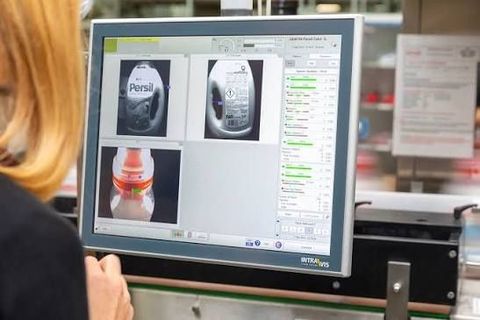
Some newer systems incorporate sensors to monitor contact, force, position, or other operating conditions. This can help equipment respond to variations in component geometry or tool interaction.
These developments are part of a broader movement toward industrial precision finishing systems that connect physical equipment with digital monitoring and production data. Such integration can make process conditions easier to record and review.
Integration With Manufacturing
Precision deburring is increasingly considered as part of a connected manufacturing workflow. A component may move from machining to deburring, cleaning, inspection, and subsequent finishing stages through coordinated equipment.
This approach can involve precision deburring equipment, automated material handling, inspection systems, and manufacturing software. The objective is to coordinate separate stages while maintaining defined process requirements.
Tools and Resources
Different tools and resources can help explain, plan, or evaluate deburring processes. Selection normally depends on the component geometry, material, burr characteristics, and finishing requirements.
Measurement and Inspection Tools
Inspection tools may include calipers, microscopes, optical measurement systems, surface measurement equipment, and visual inspection aids. These tools can help determine whether an edge meets a specified requirement.
For precision applications, measurement equipment may be used to examine edge radius, burr presence, surface condition, or dimensional changes after finishing.
Manufacturing Software
Computer-aided manufacturing software can help create tool paths for CNC precision deburring systems. Robotic programming platforms can similarly define movements for robotic metal deburring equipment.
Process documentation templates can also record:
- Component dimensions and material.
- Burr location and approximate characteristics.
- Required edge condition.
- Tool type and operating parameters.
- Inspection criteria.
- Maintenance and process-monitoring requirements.
Technical Documentation
Equipment manuals, machining references, engineering drawings, material specifications, and industrial standards can provide useful background information. These resources help establish how a component should be processed and inspected.
For advanced automated deburring systems, documentation can also describe programming interfaces, safety controls, tooling requirements, sensor functions, and integration methods.
FAQs
What are precision deburring systems?
Precision deburring systems are equipment configurations designed to remove unwanted burrs and sharp edges from manufactured components with controlled movements and defined finishing parameters.
How do automated deburring systems work?
Automated deburring systems use programmed equipment, tools, fixtures, or robots to perform defined edge-treatment operations. Depending on the design, sensors and inspection equipment may also be incorporated.
What are CNC deburring machines used for?
CNC deburring machines use computer-controlled tool movements to remove burrs from specified areas of a component. They are commonly associated with parts that have repeatable geometries and defined machining paths.
What is the difference between robotic deburring systems and automatic deburring machines?
Robotic deburring systems typically use programmable robotic arms to move a tool or component through the finishing process. An automatic deburring machine may use a dedicated mechanical arrangement designed around particular component types or process steps.
What factors affect precision metal deburring?
Important factors include the component material, burr size, component geometry, edge specification, tooling, machine settings, and inspection requirements. Different parts may therefore require different deburring approaches.
Conclusion
Precision deburring systems are used to remove burrs and unwanted edge features created during manufacturing. Technologies now range from manual tools to CNC precision deburring systems, automated equipment, and robotic finishing cells. Recent developments have emphasized programmable control, sensors, digital monitoring, and integration with broader manufacturing workflows. The appropriate approach depends on component geometry, material, finishing requirements, production conditions, and inspection criteria.

Related Post...

Robotic Deburring Systems: An Overview of Automated Edge Finishing
Updated: September 11, 2026
Read More
Flue Gas Treatment: An Overview of Emission Control Technologies
Updated: September 11, 2026
Read More
OT Security Platforms: An Overview of Industrial Cybersecurity Systems
Updated: September 11, 2026
Read More