Weight Indicators Guide: Understanding Types, Functions, and Industrial Applications
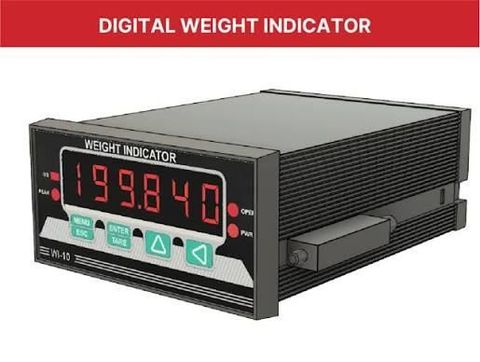
Weight indicators are electronic devices that receive signals from weighing sensors and convert them into readable weight measurements.
They are commonly used in manufacturing facilities, warehouses, laboratories, food processing plants, and transportation operations. Industrial weighing scale indicators help operators monitor material quantities, check product weights, and manage processes that depend on accurate measurements.
Most modern weight indicators work with load cells, which are sensors that respond to an applied force. The indicator processes the electrical signals from these sensors and displays the corresponding weight on a screen. Depending on the design, it may also transmit measurements to computers, programmable controllers, or production management systems.
Industrial weight indicator manufacturers produce different types of equipment for applications with varying measurement ranges, environmental conditions, and control requirements. Digital weighing indicators are commonly used because they can display numerical readings and support additional functions such as data recording, limit checking, and communication with external equipment.
Main Types of Weight Indicators
Weight indicators vary according to their operating features and intended applications.
Basic digital indicators: Display weight readings from compatible weighing sensors and provide essential operating controls.
Programmable weight indicators: Allow users to configure measurement settings, operating limits, and process-related functions.
High precision digital weight indicators: Support applications requiring finer measurement resolution and carefully controlled calibration.
Industrial weighing controllers: Combine weight measurement with control functions, such as activating an output when a specified weight is reached.
Network-connected indicators: Transfer measurement information to computers, programmable logic controllers, or monitoring platforms.
The appropriate type depends on the weighing task, sensor compatibility, required resolution, and surrounding equipment.
How Weight Indicators Developed
Mechanical weighing instruments traditionally relied on physical mechanisms to show weight. Electronic load cells and digital signal processing introduced new ways to measure, display, and record weight information.
As industrial operations became more automated, indicators gained communication interfaces and programmable functions. Modern load cell weight indicator systems can therefore support both standalone weighing and integration with wider production processes.
Importance
Weight indicators play an important role wherever materials must be measured consistently. Incorrect weight readings can affect product quantities, ingredient proportions, inventory records, packaging operations, and production quality.
In manufacturing, operators use industrial weighing scale indicators to monitor incoming materials and finished products. In agriculture, they may help measure harvested crops or animal feed. Warehouses use weighing equipment to check shipments, while food processing facilities rely on weight measurements to maintain consistent ingredient quantities.
Accuracy and Measurement Reliability
A weight indicator must interpret signals from its connected load cells correctly. Factors such as sensor condition, electrical interference, temperature changes, mechanical installation, and calibration can affect measurement results.
High precision digital weight indicators are designed for applications requiring finer measurement increments. However, display resolution alone does not establish actual accuracy. The complete weighing system, including the load cell, mounting arrangement, calibration, and operating environment, determines measurement performance.
Supporting Automated Production
Weighing indicators for batching systems help control the quantities of materials added during production. For example, a mixing process may require several ingredients to be measured in predetermined proportions.
A connected indicator can compare the measured weight with a target value and send signals to a controller. The controller may then operate a feeder, valve, or conveyor according to programmed instructions. These functions help organize repetitive weighing tasks, although appropriate monitoring remains necessary.
Common Industrial Applications
Weight indicators are used in several areas:
Manufacturing: Measuring raw materials, components, and finished products.
Food processing: Monitoring ingredient quantities and packaging weights.
Chemical processing: Measuring materials used in controlled mixing operations.
Logistics: Checking pallet weights and recording shipment information.
Agriculture: Weighing crops, feed, and bulk materials.
Construction: Monitoring aggregates, cement, and other materials used in mixtures.
Each application has different requirements for measurement range, environmental protection, data handling, and process control.
Recent Updates
Developments in digital weighing technology from 2024 through 2026 reflect broader trends in industrial connectivity, automation, data collection, and equipment monitoring. Rather than changing the basic principle of weight measurement, many developments focus on how measurements are processed, communicated, and used by other systems.
Connectivity and Data Integration
Modern digital weighing indicators may support communication through interfaces such as serial connections, Ethernet, or industrial communication protocols. Available options vary by model and configuration.
Connecting indicators to production software can reduce repeated manual data entry and help maintain records of measured quantities. Integration also allows weight information to appear alongside other operational data, such as production totals or batch identifiers.
Programmable Control Functions
Programmable weight indicators increasingly support configurable outputs, target-weight settings, tolerance limits, and batching sequences. These functions allow a weighing system to participate in a wider automated process.
For example, an indicator may signal when a container reaches a specified filling weight. The associated control system can use that signal to stop or adjust the filling operation. Actual performance depends on response time, material flow, mechanical design, and control settings.
Environmental Protection and System Monitoring
Stainless steel industrial weight indicators are used in environments where equipment may face moisture, frequent cleaning, or exposure to certain industrial substances. Stainless steel construction can help with durability and cleaning, but suitability depends on the material grade, enclosure design, and surrounding conditions.
Equipment selection increasingly considers ingress protection ratings, temperature limits, electrical compatibility, and maintenance requirements. These factors are particularly relevant in food processing, outdoor installations, and demanding manufacturing environments.
The following table summarizes common indicator types and their general applications.
| Indicator type | Main function | Typical application |
|---|---|---|
| Basic digital indicator | Displays measured weight | General weighing |
| Programmable indicator | Supports configured control rules | Filling and batching |
| High precision indicator | Provides fine measurement resolution | Laboratory and process measurement |
| Network-connected indicator | Communicates measurement data | Production monitoring |
| Stainless steel indicator | Provides an enclosure suited to specified environments | Food processing and washdown areas |
Tools and Resources
Several technical resources can help users understand weight indicators and their compatibility with industrial equipment.
Technical Specifications and Selection Resources
Documentation from weighing indicator suppliers usually describes supported load cells, input signal ranges, display resolution, communication interfaces, enclosure ratings, and operating conditions. These specifications help determine whether an indicator can work with a particular weighing system.
Industrial weight indicator manufacturers may also provide wiring diagrams, configuration instructions, calibration procedures, and compatibility information. Such documents explain installation requirements and the functions supported by individual models.
Calibration and Measurement Tools
Calibration weights, test procedures, and measurement records are used to evaluate weighing system performance. The appropriate reference weights and procedures depend on the scale capacity, application, and applicable measurement requirements.
A simple weight-conversion calculator can convert between units such as kilograms, grams, pounds, and tonnes. Conversion tools are useful for interpreting readings, but they do not verify the accuracy of the physical weighing equipment.
Automation and Control Resources
Programmable logic controller documentation and industrial communication guides explain how weight indicators exchange information with other equipment. Process diagrams and batching templates can also help document the sequence of measurements, target values, and control actions.
When evaluating industrial weighing controller systems, relevant considerations include sensor compatibility, response time, communication options, environmental protection, and the ability to record or transmit measurement data.
FAQs
What are digital weighing indicators used for?
Digital weighing indicators convert signals from load cells into readable weight measurements. They are used in manufacturing, packaging, warehouses, laboratories, and other environments where materials or products must be weighed.
How do load cell weight indicator systems work?
Load cells detect force and produce electrical signals that change with the applied load. The indicator processes these signals using configured measurement parameters and displays the calculated weight.
What are programmable weight indicators?
Programmable weight indicators allow users to configure functions such as target weights, operating limits, output signals, and batching sequences. Their capabilities depend on the model and connected control equipment.
Where are stainless steel industrial weight indicators used?
They are commonly used in environments where moisture, cleaning procedures, or specific hygiene requirements influence equipment selection. The required enclosure rating and material suitability depend on the actual operating conditions.
How can industrial weighing scale indicators be selected?
Selection depends on weighing capacity, load cell compatibility, required accuracy, display resolution, environmental conditions, communication interfaces, and applicable measurement regulations. Installation and calibration requirements also affect system performance.
Conclusion
Weight indicators convert load cell signals into readable measurements and support a wide range of industrial weighing activities. Digital weighing indicators can provide basic displays, while programmable and network-connected models can support batching, monitoring, and automated control. Measurement reliability depends on the complete weighing system, including sensors, installation, calibration, and operating conditions. Understanding these factors helps explain how weight indicators contribute to consistent measurement and industrial process management.

Related Post...
Pipe Bending Machines: A Guide to Types and Industrial Applications
Updated: October 17, 2026
Read More