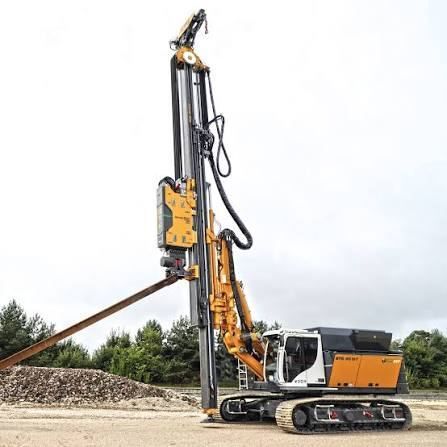
Piling Equipment: A Guide to Modern Foundation Construction Machines
Piling equipment refers to the machines, tools, and supporting systems used to install piles into the ground as part of foundation construction.
Piles are long structural elements made from materials such as concrete, steel, or timber. They transfer loads from structures into deeper or stronger layers of soil when surface ground conditions are not suitable for carrying the required loads.
The development of piling machines is closely connected with the growth of large buildings, bridges, ports, industrial facilities, and other structures that require deep foundations. Earlier piling methods relied heavily on manual work and relatively simple mechanical equipment. Modern piling machinery combines hydraulic systems, engines, electronic controls, drilling mechanisms, and monitoring technologies.
Foundation piling equipment can perform several different tasks. Some machines create holes before piles are installed, while others drive or press piles into the ground. The appropriate equipment depends on soil conditions, pile type, required depth, available working space, environmental considerations, and the design of the foundation.
Main Types of Piling Equipment
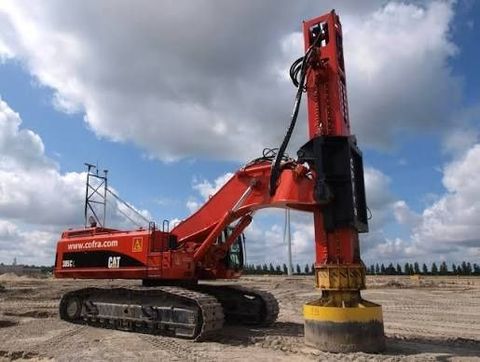
Foundation pile drilling equipment is designed to create holes or boreholes in the ground. Rotary drilling rigs can use different drilling tools depending on the soil and rock conditions. Once the hole is prepared, a pile can be placed or formed within it according to the construction method.
Pile driving equipment works differently. Rather than creating a borehole first, it applies repeated or controlled forces to drive a pile into the ground. Hydraulic pile driving systems can regulate the force and operating cycle through hydraulic components.
Vibratory piling equipment uses vibration to reduce resistance around a pile during installation. This method can be used for certain soil conditions and pile types, although its suitability depends on the surrounding environment and project requirements.
| Equipment Type | Primary Function | Typical Application |
|---|---|---|
| Drilling rig | Creates a borehole | Deep foundation drilling |
| Pile driver | Drives piles into soil | Structural foundation work |
| Hydraulic pile driver | Applies controlled driving force | Steel and concrete pile installation |
| Vibratory pile driver | Uses vibration during installation | Suitable pile and soil conditions |
| Crawler piling rig | Supports drilling or driving equipment | Large construction sites |
| Automated piling system | Uses digital controls and monitoring | Data-supported piling operations |
How Piling Systems Work
A typical piling operation begins with site investigation and foundation planning. Engineers consider soil layers, groundwater, expected structural loads, pile dimensions, and the surrounding environment before determining an installation method.
During construction, the machine is positioned and aligned with the planned pile location. Depending on the method, the equipment may drill, drive, vibrate, or otherwise install the pile. Measurements and observations can then be used to verify the installation process.
Importance
Piling equipment plays an important role when structures need foundations that extend below weak or unstable surface soils. Residential towers, bridges, industrial buildings, retaining structures, and transportation infrastructure can all involve deep foundation systems.
The topic also affects communities because foundation construction takes place beneath many structures used in everyday life. Construction methods can influence noise, vibration, ground disturbance, site access, and the overall organization of building activities.
Addressing Difficult Ground Conditions
Not all construction sites have the same soil characteristics. Some locations contain soft clay, loose sand, fill material, groundwater, or layers of stronger material at greater depths.
Heavy duty piling equipment can be configured for demanding ground conditions, while foundation pile drilling equipment can reach deeper layers where conventional shallow foundations may not be appropriate. The selected approach depends on geological information and structural requirements rather than machine size alone.
Supporting Different Construction Methods
Piling machinery is available in different configurations because foundation projects vary considerably. Construction piling machines may be mounted on crawler platforms, trucks, or other carriers depending on the site and equipment design.
Hydraulic piling equipment is widely used because hydraulic systems can transmit controlled forces through compact mechanical arrangements. Advanced hydraulic piling equipment may also incorporate electronic controls that help operators monitor operating conditions.
Environmental and Site Considerations
Piling activities can produce noise, vibration, spoil, dust, and changes in ground conditions. These effects need to be considered when construction occurs near homes, roads, railways, hospitals, or other sensitive locations.
Project planning may therefore consider alternative installation methods when site conditions require different approaches. Vibratory systems, drilled piles, or other techniques can have different environmental and operational characteristics.
Recent Updates
From 2024 through 2026, piling technology has generally moved toward greater digital monitoring, improved equipment controls, and closer integration of construction data. The underlying foundation principles remain established, but modern machines increasingly use electronic systems alongside mechanical and hydraulic components.
Automation and Digital Monitoring
Automated piling systems can incorporate sensors and digital controls to record information during drilling or pile installation. Depending on the equipment, recorded information may include depth, force, penetration rate, rotation, pressure, or other operating parameters.
These systems can help create digital records of construction activity. Automated functions do not eliminate the need for trained operators and engineering oversight because ground conditions can vary significantly within the same project.
Hydraulic and Vibratory Technology
Hydraulic pile driving systems continue to be used where controlled force and adjustable operating parameters are required. Modern controls can provide operators with more information about machine operation and installation conditions.
Vibratory piling equipment has also developed through improvements in hydraulic power systems and monitoring technology. Its application remains dependent on soil characteristics, pile design, surrounding structures, and environmental requirements.
Greater Use of Data
Precision piling machinery increasingly incorporates measurement and positioning technologies. Digital records can help construction teams compare planned pile locations with actual installation information.
Industrial foundation piling systems may connect machine data with broader project documentation. This reflects a wider construction industry movement toward digital records, equipment monitoring, and data-supported decision-making.
| Technology | What It Supports | Key Consideration |
|---|---|---|
| Hydraulic controls | Controlled machine operation | Pressure and system limits |
| Digital sensors | Operating data collection | Sensor accuracy |
| Position monitoring | Pile alignment information | Site reference systems |
| Automated controls | Repeatable operating sequences | Human oversight |
| Data recording | Installation documentation | Data management |
Tools and Resources
Several technical resources can help readers understand piling operations and foundation construction. Equipment manuals explain machine controls, operating limits, maintenance requirements, and compatible attachments.
Planning and Calculation Resources
Foundation planning commonly uses information from geotechnical investigations and structural calculations. Soil reports can describe soil layers, groundwater conditions, and other characteristics relevant to foundation design.
Useful resources include:
- Soil investigation reports for understanding subsurface conditions.
- Foundation design references for learning about pile behavior.
- Pile capacity calculators for preliminary educational calculations.
- Construction drawings for understanding pile layouts.
- Equipment manuals for machine-specific operating information.
- Digital site records for documenting installation activities.
Standards and Technical References
National and international engineering organizations publish standards and guidance related to foundations, construction equipment, structural materials, and geotechnical engineering. Local building regulations can also establish requirements for foundation design and construction.
Technical references should be interpreted according to the location and type of project because foundation requirements vary between jurisdictions and site conditions.
FAQs
What is piling equipment used for?
Piling equipment is used to install piles into the ground as part of deep foundation construction. Different machines drill, drive, vibrate, or otherwise place piles according to the selected construction method.
What are the main types of piling machines?
Common piling machines include drilling rigs, pile drivers, hydraulic pile drivers, vibratory pile drivers, and crawler-mounted rigs. Each type is designed for particular installation methods and ground conditions.
How does hydraulic piling equipment work?
Hydraulic piling equipment uses pressurized hydraulic fluid to transmit force through cylinders, motors, or other components. This allows equipment to control movement and force during drilling or pile installation.
What is foundation pile drilling equipment?
Foundation pile drilling equipment creates holes in the ground for drilled foundation systems. Different drilling tools can be used depending on soil, rock, groundwater, hole diameter, and required depth.
What are automated piling systems?
Automated piling systems use electronic controls, sensors, positioning technologies, or software to assist with equipment operation and data recording. The level of automation varies between machines and construction methods.
Conclusion
Piling equipment provides the machinery needed for a range of deep foundation construction methods. Piling machines include drilling rigs, hydraulic pile driving systems, vibratory equipment, and digitally monitored systems, with each approach suited to particular site conditions. Recent developments have focused on automation, hydraulic control, measurement, positioning, and construction data. Understanding these technologies provides useful background on how modern foundation work is carried out.

Related Post...
Motorized Opto-Mechanics: An Overview of Motion and Optical Systems
Updated: September 24, 2026
Read More