Port Automation Systems for Efficient Terminal Operations
Port automation systems combine software, sensors, control technologies, automated handling equipment, and communication networks to coordinate activities within modern ports.
These systems can manage container movement, yard operations, equipment scheduling, cargo tracking, and data exchange across different terminal areas.
As container volumes and operational complexity increase, ports require coordinated processes for moving cargo between vessels, storage yards, gates, and inland transportation. Automation can connect these activities and provide operators with information for monitoring and decision-making.
Why Port Automation Systems Matter
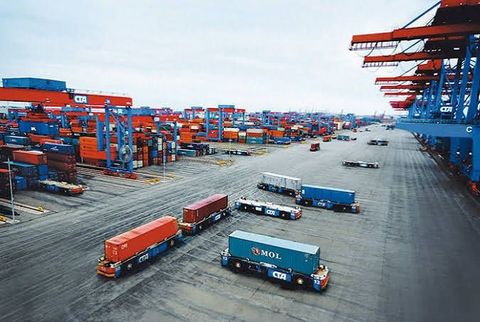
Container terminals involve many interconnected operations. A container may move from a vessel to a quay crane, then to an automated vehicle or other transport equipment before reaching a storage yard.
Without coordinated control, equipment movements and container information can become difficult to manage. Automated port systems help connect equipment and software so that tasks can be assigned, monitored, and recorded within a common operational framework.
Automation can also support consistent equipment utilization, reduce repetitive manual activities, and improve visibility across terminal operations.
How Port Automation Systems Work
A typical port terminal automation environment combines several technology layers.
Data Collection
Sensors, identification systems, cameras, positioning technologies, and equipment controllers collect information about containers, vehicles, cranes, and yard locations.
Operational Software
Terminal operating systems process information about vessel schedules, container locations, equipment availability, yard assignments, and work orders.
Equipment Control
Automated cranes, guided vehicles, conveyor systems, and other equipment receive instructions through control systems. The equipment then performs defined movements while reporting operational status.
Monitoring and Coordination
Operators can monitor equipment activity through centralized dashboards and control interfaces. Alerts can identify exceptions such as equipment faults, unexpected movements, or operational delays.
Main Components of Port Automation Systems
Automated Cranes
Automated ship-to-shore cranes move containers between vessels and landside transport equipment. Automated yard cranes can also stack and retrieve containers within designated storage blocks.
Automated Guided Vehicles
Automated guided vehicles (AGVs) transport containers between quay cranes and yard areas according to predefined routes and operational instructions.
Other autonomous or remotely controlled vehicles may use positioning systems, sensors, cameras, and onboard control technology to navigate terminal environments.
Terminal Operating Systems
A terminal operating system (TOS) manages information related to container movements, vessel operations, yard planning, equipment assignments, and gate activities.
The TOS acts as a central software layer connecting operational information across different parts of the terminal.
Positioning and Identification Systems
GPS, RFID, optical recognition, cameras, and other identification technologies can help determine container locations and equipment positions.
Accurate identification is important because terminal automation depends on knowing where equipment and containers are located.
Communication Networks
Reliable wireless and wired networks connect cranes, vehicles, sensors, control systems, and operational software. Low-latency communication can be important for equipment that requires continuous coordination.
Port Automation Systems Comparison
| System Component | Main Function | Typical Application |
|---|---|---|
| Automated quay crane | Container transfer | Vessel operations |
| Automated yard crane | Container stacking and retrieval | Container yard |
| AGV | Container transportation | Quay-to-yard movement |
| Terminal operating system | Operational coordination | Entire terminal |
| RFID and identification systems | Asset identification | Container tracking |
| Cameras and sensors | Monitoring and detection | Equipment and safety monitoring |
| Control system | Equipment coordination | Automated operations |
| Communication network | Data transmission | Connected terminal infrastructure |
What Factors Should Terminals Consider?
Several factors influence the design of port automation technology.
Terminal Layout
Quay length, yard configuration, storage blocks, gate locations, road networks, and equipment routes all affect automation design.
Container Volume
Automation architecture should correspond to expected vessel calls, container throughput, peak periods, and storage requirements.
Equipment Compatibility
Cranes, vehicles, sensors, software, and control systems must communicate effectively. Integration between existing equipment and newer technologies can require careful planning.
Data Management
Automated terminals generate large quantities of operational information. Data platforms need to organize information from equipment, containers, vessels, gates, and yard operations.
Safety Requirements
Automated equipment operates around workers, vehicles, vessels, and cargo. Detection systems, controlled operating zones, emergency procedures, and monitoring functions are important components of a safe automation framework.
Benefits of Port Automation
Port automation can support several operational objectives.
- Improved visibility: Operators can monitor container and equipment activity through connected systems.
- Consistent workflows: Automated equipment can perform repetitive movements according to programmed instructions.
- Data-driven planning: Operational information can support yard planning and equipment allocation.
- Reduced manual handling: Selected repetitive tasks can be performed through automated equipment.
- Equipment monitoring: Sensors and software can provide information about equipment condition and activity.
- Operational coordination: Connected systems can help synchronize vessel, yard, gate, and transport activities.
The actual results depend on terminal layout, automation design, equipment configuration, operating practices, and integration quality.
How AI and Digital Technologies Are Used
Modern smart port systems increasingly incorporate advanced analytics, machine learning, computer vision, and digital-twin technologies.
Computer vision can support container identification and equipment monitoring. Analytics platforms can examine operational data to identify patterns in equipment utilization and container movements.
Digital twins can create virtual representations of terminal operations for simulation and planning. These technologies can complement, rather than replace, core terminal control and operating systems.
Who Uses Port Automation Systems?
Container terminals use automation to coordinate vessel handling, yard storage, and landside transportation. Large ports may combine automated cranes, vehicles, software platforms, and monitoring systems across extensive terminal areas.
Port authorities, terminal operators, logistics organizations, shipping companies, and inland transportation partners may also interact with information generated by automated terminal systems.
Frequently Asked Questions
What are port automation systems?
Port automation systems combine software, sensors, communication networks, control technologies, and automated equipment to coordinate activities within ports and container terminals.
What equipment is used in an automated port?
Common equipment includes automated quay cranes, automated yard cranes, automated guided vehicles, identification systems, sensors, cameras, and control systems.
What is a terminal operating system?
A terminal operating system is software that manages operational information such as container locations, vessel activities, yard planning, equipment assignments, and gate operations.
How does port automation improve terminal operations?
Automation can coordinate repetitive equipment movements, improve operational visibility, support data-based planning, and connect different terminal processes through integrated systems.
Are automated ports completely unmanned?
Not necessarily. Many automated terminals still require people for supervision, planning, maintenance, exception handling, safety management, and operational decision-making.
Conclusion
Port automation systems connect equipment, software, sensors, communication networks, and operational data to coordinate modern terminal activities. Automated cranes, guided vehicles, terminal operating systems, identification technologies, and control platforms can work together across vessel, yard, and gate operations.
Successful automation requires more than individual automated machines. Terminal layout, system integration, communication infrastructure, safety controls, data management, and operational planning all contribute to how effectively an automated terminal functions.

Related Post...