Portable Construction Systems: A Guide to Modern Building Methods
Portable construction systems are building approaches designed so that structures, components, or equipment can be transported, assembled, relocated, or reused at different sites.
Portable building systems have roots in temporary shelters, prefabricated structures, transportable cabins, and construction equipment designed for changing work locations. Modern methods combine prefabrication, modular design, lightweight materials, digital planning, and mechanical equipment.
Unlike conventional construction, where much of the building process takes place at a permanent site, portable construction can move some activities to controlled preparation areas before components reach the final location. Portable building materials may include steel sections, engineered panels, composite materials, timber components, insulation, flooring systems, and prefabricated wall or roof elements.
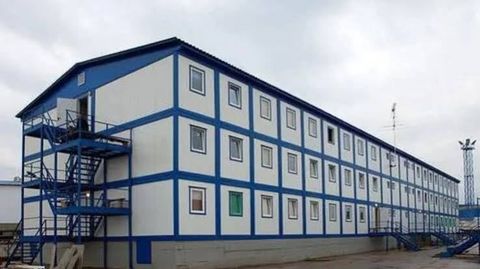
The approach can be applied to many types of projects. Temporary offices, classrooms, site facilities, worker accommodation, storage spaces, healthcare facilities, commercial buildings, and infrastructure projects may use portable construction structures depending on local regulations and project requirements.
How Portable Construction Developed
Traditional construction usually involves transporting individual materials to a site and assembling them there. Prefabrication changed this process by allowing certain building components to be manufactured or prepared away from the final location.
Modular construction developed further by creating larger sections that can be transported and connected on site. Modular portable construction systems use this principle while placing greater emphasis on movement, relocation, or repeated deployment.
Main Components of a Portable System
A portable construction system may contain several connected elements:
- Structural frames that provide the primary load-bearing structure.
- Wall, roof, and floor panels that form enclosed spaces.
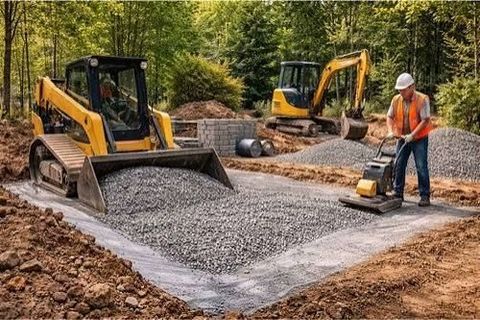
- Portable construction equipment used for lifting, positioning, fastening, and finishing.
- Electrical, plumbing, ventilation, and other building systems.
- Connection components that allow modules or sections to be assembled and separated.
- Transportation equipment and lifting points designed around the dimensions and weight of the components.
The precise combination depends on the building type, location, environmental conditions, transportation limitations, and intended period of use.
Importance
Portable construction systems matter because some building requirements change over time. A construction project may need a temporary office during infrastructure work, a classroom while a permanent facility is being renovated, or a field structure in a remote location.
Portable structures can also be relevant where transporting conventional construction materials and equipment is difficult. Modular components allow certain activities to be planned before arrival at the site, while standardized dimensions can simplify transportation and assembly.
Addressing Temporary and Changing Needs
Temporary portable building systems are commonly associated with projects where a structure is needed for a defined period. Examples include construction-site offices, temporary educational spaces, event facilities, medical support areas, and storage structures.
The term "temporary" does not automatically mean that a structure has minimal requirements. Depending on its use, a portable building may still need appropriate foundations, structural analysis, fire protection, electrical systems, accessibility features, insulation, and weather protection.
Supporting Construction in Different Locations
Portable construction site systems can help organize facilities around projects that move between locations or operate in areas without established buildings. This can include infrastructure projects, mining areas, remote industrial sites, emergency response locations, and large construction zones.
Industrial portable building systems may incorporate stronger structural frames, specialized environmental controls, and equipment designed for particular operating conditions. Requirements vary considerably between projects.
Factors That Affect Design
Several factors need to be considered when designing or selecting portable construction structures:
- Transportation dimensions and road restrictions.
- Structural loads and foundation conditions.
- Wind, rain, temperature, and other environmental conditions.
- Fire safety and emergency access.
- Electrical, plumbing, heating, cooling, and ventilation requirements.
- Local building regulations and planning requirements.
- Assembly, disassembly, storage, and relocation procedures.
These factors influence whether a portable approach is suitable for a particular application.
| Feature | Conventional Site Construction | Portable or Modular Construction |
|---|---|---|
| Main assembly location | Primarily at final site | Can occur partly away from final site |
| Transportation | Individual materials and equipment | Components or modules |
| Relocation | Usually limited | Can be designed for relocation |
| Site preparation | Varies by project | Still required, but may be more structured |
| Construction sequence | Often site-dependent | Can combine off-site and on-site activities |
| Reuse potential | Depends on building design | Can be incorporated into some designs |
Recent Updates
Between 2024 and 2026, portable and modular construction has continued to develop alongside digital design, prefabrication, automated equipment, and improved building materials. The general direction is toward more coordinated planning between design, manufacturing, transportation, and site assembly.
Portable prefabricated construction systems increasingly use digital models to define dimensions, connections, components, and installation sequences. Building information modeling can help different project participants work from shared design information before physical components are prepared.
Digital Planning and Automation
Automated portable construction systems are emerging from the combination of digital design, robotics, automated fabrication, and computerized production processes. Automation can assist with repetitive cutting, drilling, positioning, or assembly activities where the production environment supports it.
Portable modular construction equipment is also becoming more connected to digital planning processes. Equipment data can be used to coordinate dimensions, production steps, and installation requirements.
Material and Structural Development
Portable building materials continue to include engineered wood products, structural steel, insulated panels, composites, and other materials selected according to structural and environmental requirements.
High strength portable building systems may use materials and structural configurations designed to provide appropriate load capacity while remaining practical to transport. High performance modular construction systems can also incorporate insulation, weather-resistant assemblies, energy-management components, and integrated building systems.
Broader Applications
Commercial portable building systems are used in contexts such as temporary offices, educational facilities, retail spaces, healthcare environments, and project accommodation. Industrial portable construction structures can be designed for manufacturing, infrastructure, utilities, storage, or field operations.
The current development of advanced modular construction systems also emphasizes interoperability. Components need to work together across structural, electrical, mechanical, transportation, and installation requirements.
Tools and Resources
Several resources can help people understand, plan, or evaluate portable construction projects.
Design and Planning Tools
Building information modeling platforms can be used to create digital representations of structures and coordinate components. Computer-aided design tools can help define dimensions, connections, layouts, and component details.
Useful planning resources include:
- Site measurement templates for recording dimensions and access conditions.
- Load calculation worksheets for preliminary structural planning.
- Transportation planning tools for checking module dimensions and route restrictions.
- Project schedules for coordinating fabrication, transport, and assembly.
- Building code references for identifying applicable requirements.
Construction Equipment Resources
Advanced portable building equipment may include compact lifting equipment, mobile cranes, fastening tools, material-handling equipment, surveying instruments, and temporary power systems.
Equipment selection depends on component weight, site access, ground conditions, lifting requirements, and the type of assembly being performed. Manufacturers' technical documentation and applicable safety standards can provide specifications for individual equipment categories.
Standards and Regulatory Resources
Building regulations, structural standards, fire-safety requirements, accessibility rules, and transportation regulations can differ by location. Government planning departments, building authorities, transportation agencies, and recognized standards organizations are useful sources for current requirements.
For projects involving commercial portable construction systems or industrial applications, regulatory requirements may be more extensive than those associated with simple temporary structures.
FAQs
What are portable construction systems?
Portable construction systems are building methods in which structures, modules, components, or related equipment are designed for transportation, assembly, relocation, or reuse. They can range from small temporary structures to larger modular buildings.
How do portable building systems differ from traditional construction?
Portable building systems generally place greater emphasis on transportability and modular assembly. Some components may be prepared away from the final site and then transported for installation, while traditional construction usually involves more work directly at the permanent location.
What are portable construction equipment systems used for?
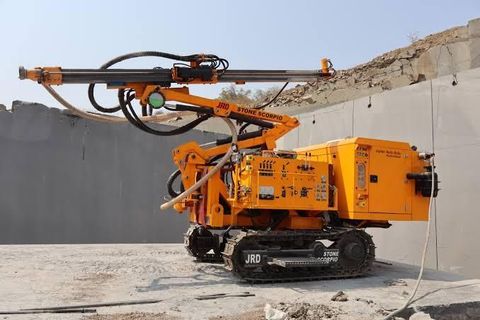
Portable construction equipment can support activities such as lifting, positioning, fastening, surveying, cutting, drilling, and site preparation. The appropriate equipment depends on the structure, component dimensions, site conditions, and applicable safety requirements.
What materials are used in portable construction systems?
Portable building materials can include steel, timber, engineered wood, insulated panels, composites, concrete-based components, and other engineered materials. Material selection depends on structural requirements, environmental conditions, transportation limitations, and building regulations.
Are portable prefabricated construction systems suitable for permanent buildings?
Some portable prefabricated construction systems can be designed for long-term or permanent use, while others are intended for temporary applications. Suitability depends on structural design, foundations, building systems, local regulations, environmental conditions, and the intended use of the building.
Conclusion
Portable construction systems combine transportable components, modular design, prefabrication, and construction equipment to create structures for temporary, relocatable, or permanent applications. Their development increasingly involves digital planning, automated fabrication, improved materials, and coordinated site assembly. Portable building systems still require attention to structural performance, transportation, safety, environmental conditions, and local regulations. The appropriate approach depends on the intended use, site requirements, building design, and duration of occupancy.

Related Post...
Rotary Cartridge Filling: An Overview of Filling Systems and Applications
Updated: September 26, 2026
Read More