Protective Construction Films: A Guide to Surface Protection
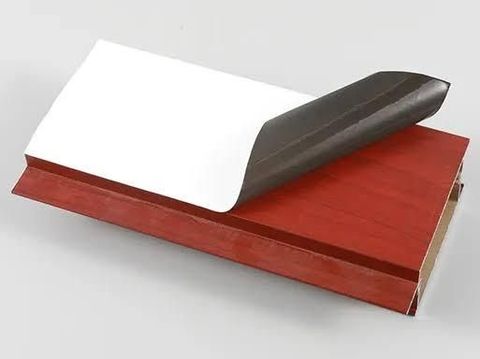
Protective construction films are thin layers of plastic or polymer material applied to surfaces to help reduce damage during construction, transportation, installation, renovation, and finishing work.
They can help protect materials from dust, dirt, scratches, paint splashes, moisture, and other temporary site contaminants.
These films are used on glass, metal, flooring, doors, windows, panels, countertops, appliances, and other finished or semi-finished surfaces. Their performance depends on film material, adhesive type, thickness, surface compatibility, exposure conditions, and the length of time the film remains in place.
What Are Protective Construction Films?
Protective construction films are temporary surface-covering materials designed to shield exposed surfaces during construction-related activities.
Most products consist of a polymer film combined with an adhesive layer. The film creates a physical barrier between the protected surface and the surrounding environment.
Common film materials include:
- Polyethylene
- Polypropylene
- Polyester
- Polyvinyl chloride
- Other polymer-based materials
Some films are designed for smooth surfaces, while others are developed for textured or irregular materials.
How Protective Construction Films Work
The basic principle is simple: the film creates a removable protective layer over a surface.
1. Surface Preparation
The surface is cleaned and dried before the film is applied. Dust, oil, moisture, and other contaminants can affect adhesion and may create problems when the film is removed.
2. Film Application
The protective film is positioned over the surface and pressed into contact. Some products are manually applied, while others can be installed using application tools.
3. Adhesive Contact
The adhesive layer provides temporary attachment. Adhesive strength must be sufficient to keep the film in position without creating excessive bonding to the surface.
4. Surface Protection
During construction, the film acts as a barrier against selected forms of contamination and physical contact.
5. Film Removal
After the construction activity is complete, the film is peeled away. The timing and removal method should follow the film manufacturer's instructions.
Main Types of Protective Construction Films
| Film Type | Typical Application | Main Function |
|---|---|---|
| Glass protection film | Windows and glass | Protects against dust and scratches |
| Metal protection film | Aluminum and stainless steel | Protects finished surfaces |
| Floor protection film | Flooring and tiles | Helps reduce dirt and surface damage |
| Plastic surface film | Plastic panels and components | Temporary surface protection |
| Laminate protection film | Laminated panels | Reduces scratching and contamination |
| Carpet protection film | Carpeted areas | Helps shield against dirt and debris |
| Painted-surface film | Finished painted surfaces | Reduces temporary contamination |
| Exterior protection film | Selected outdoor surfaces | Provides temporary exposure protection |
Protective Films for Glass
Glass surfaces can be vulnerable to scratches, dust, paint, mortar, sealants, and other construction materials.
Protective films for glass can be applied to windows, partitions, doors, and other glazing products.
The film must be compatible with the glass and any existing coatings. Certain specialty glass surfaces may have specific requirements regarding adhesive type, exposure duration, and removal.
Protective Films for Metal
Metal surfaces such as aluminum, stainless steel, and coated metal panels can be protected using temporary films.
Applications can include:
- Door panels
- Window frames
- Metal cladding
- Elevator panels
- Architectural panels
- Appliances
- Fabricated components
The film can help reduce scratches, fingerprints, dust, and contact with selected construction materials.
Protective Films for Flooring
Floor protection films can be applied to surfaces such as tile, stone, laminate, vinyl, and selected finished flooring materials.
They can help reduce exposure to:
- Foot traffic
- Dust
- Dirt
- Paint
- Construction debris
- Minor surface abrasion
Different flooring materials have different surface characteristics, so compatibility should be confirmed before large-scale application.
Protective Films for Doors and Panels
Doors and wall panels may be installed before other construction activities are complete. Temporary films can help reduce surface contamination during this period.
Films can be applied to selected wood, metal, glass, composite, and plastic surfaces depending on the product specifications.
Protective Film Materials
Polyethylene
Polyethylene films are widely used for temporary surface protection because they are lightweight, flexible, and available in different thicknesses.
Polypropylene
Polypropylene can provide a relatively strong film with resistance to several environmental conditions. It can be used for selected industrial and construction applications.
Polyester
Polyester films can provide dimensional stability and durability. They are used in applications where a more stable film structure is required.
PVC
PVC films can be flexible and available in various formulations. Their suitability depends on the substrate, adhesive system, and environmental exposure.
Adhesive Systems
The adhesive is a critical part of a protective film.
Common adhesive approaches include:
- Acrylic adhesives
- Rubber-based adhesives
- Low-tack adhesives
- Pressure-sensitive adhesives
A protective film should remain attached during the intended application period while allowing controlled removal afterward.
Low-Tack Adhesives
Low-tack adhesives are designed for relatively easy removal. They can be suitable for delicate surfaces when properly matched to the substrate.
Pressure-Sensitive Adhesives
Pressure-sensitive adhesives bond when pressure is applied. Their adhesion level varies according to formulation, surface energy, temperature, and application pressure.
Factors Affecting Film Performance
Several conditions influence how protective construction films perform.
| Factor | Potential Effect |
|---|---|
| Surface type | Determines compatibility |
| Film thickness | Influences durability |
| Adhesive strength | Affects attachment and removal |
| Temperature | Can affect adhesion |
| Humidity | May influence selected applications |
| UV exposure | Can affect some films and adhesives |
| Exposure duration | Influences removal behavior |
| Surface cleanliness | Affects initial adhesion |
| Surface texture | Influences film contact |
| Construction conditions | Determines required protection |
Installation Process
A typical installation process includes:
Step 1: Inspect the Surface
Check that the surface is clean, dry, undamaged, and suitable for the selected film.
Step 2: Select the Film
Choose a film based on substrate type, expected exposure, required protection, and intended application period.
Step 3: Measure and Cut
Cut the film to the appropriate dimensions while allowing sufficient coverage.
Step 4: Apply the Film
Position the film carefully and gradually press it onto the surface.
Step 5: Remove Air Pockets
Application tools can be used to reduce bubbles, wrinkles, and incomplete contact.
Step 6: Inspect the Installation
Check edges, corners, seams, and exposed areas to make sure the surface is adequately covered.
Film Removal
Protective films are intended to be removed after the relevant construction activity has finished.
Removal should generally involve slowly peeling the film at a controlled angle. Excessive pulling force or inappropriate tools can damage the surface or leave adhesive residue.
If a film has remained in place beyond its intended period, removal may become more difficult because of environmental exposure or adhesive aging.
Surface Compatibility
Compatibility is one of the most important considerations when selecting protective construction films.
Surfaces can include:
- Glass
- Stainless steel
- Aluminum
- Painted metal
- Powder-coated surfaces
- Plastic
- Laminate
- Stone
- Tile
- Finished wood
- Composite panels
A small test area can be used to evaluate adhesion and removal behavior before applying the film to a large surface.
Construction Applications
New Building Construction
Protective films can be applied to windows, doors, metal panels, flooring, and interior finishes during building construction.
Renovation Projects
During renovations, existing surfaces may need temporary protection while other areas are being modified.
Interior Fit-Out
Finished surfaces can be protected while electrical, plumbing, furniture, painting, and other installation activities continue.
Manufacturing and Fabrication
Films can also be applied before finished components are transported or installed at a construction site.
Transportation
Some construction materials are covered with protective films during handling and transportation to reduce surface contact and contamination.
Advantages and Limitations
Protective films can provide several practical functions, but they are not suitable for every condition.
| Advantages | Limitations |
|---|---|
| Lightweight | Not suitable for every substrate |
| Easy to apply | May require careful installation |
| Temporary protection | Adhesive can change with exposure |
| Available in different thicknesses | Not a substitute for impact barriers |
| Can reduce surface contamination | Some films have limited outdoor exposure |
| Removable | Incorrect removal can leave residue |
| Suitable for many materials | Compatibility testing may be required |
Storage and Handling
Protective films should be stored according to the manufacturer's requirements.
Important considerations may include:
- Temperature
- Humidity
- Direct sunlight
- Dust exposure
- Roll orientation
- Packaging condition
- Storage duration
Improper storage can affect the film or adhesive before installation.
Environmental Considerations
The environmental characteristics of protective construction films depend on the polymer, adhesive, manufacturing process, service period, and disposal method.
Some films may be recyclable where suitable collection and processing systems exist. However, adhesive contamination and mixed materials can affect recyclability.
Reducing unnecessary film use and selecting appropriate film thickness can help limit material consumption.
Frequently Asked Questions
What are protective construction films used for?
Protective construction films are used to temporarily shield surfaces such as glass, metal, flooring, doors, panels, and other materials from dust, scratches, dirt, paint, and selected construction contaminants.
How long can protective construction films remain on a surface?
The appropriate exposure period depends on the specific film, adhesive, substrate, temperature, humidity, UV exposure, and manufacturer instructions.
Can protective film be used on glass?
Yes. Protective films are commonly used on glass during construction, provided the film and adhesive are compatible with the glass and any coatings present.
Can protective construction films leave residue?
Some films can leave adhesive residue if they are incompatible with the surface, exposed beyond their intended period, or subjected to unsuitable environmental conditions. Product specifications should be checked before application.
How should protective construction film be removed?
The film should generally be peeled slowly and carefully according to the manufacturer's instructions. Difficult removal should be handled without using tools or chemicals that could damage the underlying surface.
Conclusion
Protective construction films provide a temporary barrier between finished surfaces and construction environments. They can be used on glass, metal, flooring, doors, panels, and other materials to reduce exposure to dust, scratches, dirt, paint, and selected contaminants.
Effective use depends on choosing a compatible film, preparing the surface correctly, applying the material carefully, monitoring exposure conditions, and removing it within the recommended period. Understanding film materials, adhesive systems, surface compatibility, and environmental conditions helps ensure that temporary protection does not create problems during removal.

Related Post...