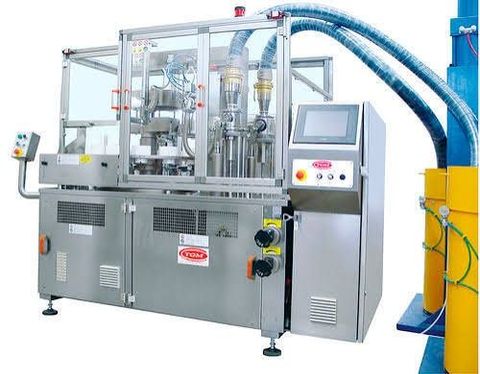
Sterile Medical Packaging Equipment: Types, Components, and Uses
Sterile medical packaging equipment is used to package medical devices, instruments, healthcare products, and other items that require controlled packaging conditions before sterilization or use.
The equipment can form, fill, seal, inspect, label, and handle packaging materials while maintaining defined process conditions.
Medical packaging must protect its contents from contamination, physical damage, moisture, and other environmental factors. Equipment selection therefore depends on the product, packaging material, sterilization method, production volume, cleanroom requirements, and applicable regulatory standards.
What Is Sterile Medical Packaging Equipment?
Sterile medical packaging equipment consists of machinery and systems designed for packaging products that need to maintain a sterile barrier or controlled condition.
Typical equipment includes:
- Pouch sealing machines
- Form-fill-seal machines
- Thermoforming machines
- Tray sealing machines
- Blister packaging machines
- Medical packaging inspection systems
- Labeling equipment
- Printing and coding systems
- Packaging material handling systems
- Leak-testing equipment
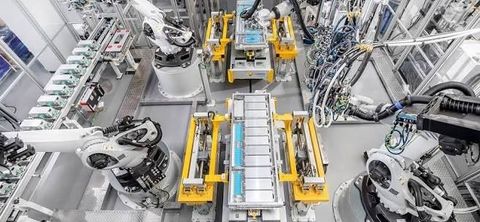
Some systems operate as individual machines, while larger production lines integrate several stages into an automated packaging process.
Why Medical Packaging Requires Specialized Equipment
Medical packaging has requirements that differ from many general packaging applications. Packaging materials must remain compatible with the product and the selected sterilization method.
The packaging system may need to provide:
- A controlled sterile barrier
- Appropriate seal integrity
- Protection from physical damage
- Resistance to moisture or other environmental conditions
- Traceability information
- Consistent packaging dimensions
- Compatibility with sterilization processes
The packaging process must also be controlled to reduce contamination risks and maintain consistent sealing and handling conditions.
Types of Sterile Medical Packaging Equipment
Medical Pouch Sealing Machines
Pouch sealing machines create heat-sealed closures on medical pouches made from suitable films, papers, or laminated materials.
Temperature, pressure, and sealing time are controlled to create a consistent seal.
Thermoforming Machines
Thermoforming machines heat a plastic sheet or film and shape it over a mold. The formed cavity can hold a medical device or component before a lidding material is sealed over it.
These machines can combine forming, product placement, sealing, cutting, and other operations.
Tray Sealing Machines
Tray sealers place a flexible lid onto a formed tray and create a controlled seal around the tray perimeter.
They are used for medical instruments, devices, procedure kits, and other products that require rigid or semi-rigid packaging.
Blister Packaging Machines
Blister machines form cavities in plastic film or sheet and seal them with a backing material.
The configuration depends on the product dimensions, packaging material, and required barrier characteristics.
Form-Fill-Seal Systems
Form-fill-seal systems form packaging material, introduce the product, and seal the package within an integrated process.
For suitable medical applications, automated systems can reduce manual handling and provide controlled packaging cycles.
Leak-Testing Equipment
Leak-testing systems evaluate package integrity by identifying potential leaks or seal defects.
Different testing technologies can be selected according to package type and required sensitivity.
Main Components of Sterile Medical Packaging Systems
| Component | Main Function |
|---|---|
| Packaging material feeder | Supplies film, pouch, tray, or other material |
| Forming station | Shapes packaging material |
| Product loading station | Positions the medical product |
| Sealing station | Creates the package seal |
| Heating system | Provides controlled sealing or forming heat |
| Pressure system | Applies required sealing pressure |
| Cutting unit | Separates individual packages |
| Inspection camera | Checks package and seal characteristics |
| Leak tester | Evaluates package integrity |
| Printer | Adds identification or traceability information |
| Labeling system | Applies labels |
| Conveyor | Transfers products between stages |
| Control system | Coordinates machine functions |
How Sterile Medical Packaging Equipment Works
1. Packaging Material Preparation
Packaging materials are loaded into the machine. Materials can include medical-grade films, coated papers, trays, pouches, rigid containers, or other materials selected for the product and sterilization process.
2. Forming or Pouch Preparation
For thermoformed packaging, the material is heated and shaped into a cavity. For preformed pouches, the package is positioned for product loading.
3. Product Placement
The medical device or product is placed inside the package. Automated systems can use robotic or mechanical handling equipment for repeatable placement.
4. Sealing
The package is closed using controlled temperature, pressure, and dwell time. The sealing parameters depend on the packaging material and equipment configuration.
5. Inspection
Vision systems, seal inspection equipment, or other testing technologies can examine the package for defects or incorrect positioning.
6. Labeling and Coding
The package can receive information such as product identification, batch information, manufacturing dates, barcodes, or other traceability data.
7. Final Handling
Finished packages are transferred to the next production stage, which may include sterilization, secondary packaging, inspection, or controlled storage.
Packaging Materials
Sterile medical packaging equipment can work with different material combinations.
Medical-Grade Films
Plastic films can provide mechanical protection and form the package structure. Film selection depends on barrier properties, sealing behavior, sterilization compatibility, and product requirements.
Medical Paper
Specialized medical-grade paper can be used in pouches and other sterile barrier packaging formats. Its properties must be compatible with the intended sterilization method.
Tyvek-Type Materials
High-performance nonwoven materials are used in some medical packaging applications because of their combination of microbial barrier properties and breathability.
Rigid Trays
Rigid plastic trays can protect instruments and devices from physical damage while providing a defined cavity for the product.
Important Packaging Parameters
Seal Temperature
Sealing temperature must be appropriate for the packaging material. Excessive or insufficient temperature can affect seal formation.
Seal Pressure
Controlled pressure helps establish consistent contact between sealing surfaces.
Dwell Time
Dwell time refers to how long the sealing surfaces remain under the required temperature and pressure.
Package Dimensions
Package size must accommodate the medical product while maintaining appropriate sealing areas and material clearance.
Sterilization Compatibility
Packaging materials and seals must remain suitable for the selected sterilization process. Different sterilization methods can expose packages to heat, moisture, radiation, or chemical agents.
Applications of Sterile Medical Packaging Equipment
Medical Devices
Packaging equipment can be used for surgical instruments, implants, diagnostic devices, catheters, tubing, and other medical products.
Surgical Instruments
Reusable or single-use instruments can be placed in pouches, trays, or other packaging formats designed for the specific device.
Diagnostic Products
Certain diagnostic components and test-related products require controlled packaging to protect them before use.
Pharmaceutical and Healthcare Products
Selected healthcare products can use specialized packaging equipment when sterile or controlled packaging conditions are required.
Procedure Kits
Multiple medical components can be assembled into procedure-specific kits and packaged using automated or semi-automated equipment.
Quality Control and Inspection
Quality control is an important part of sterile medical packaging. Inspection can cover the package material, product position, seal dimensions, seal appearance, package integrity, and traceability information.
Common inspection methods include:
- Visual inspection
- Vision-based inspection
- Seal-strength testing
- Dye penetration testing
- Bubble leak testing
- Vacuum-based leak testing
- Package integrity testing
- Barcode verification
The appropriate testing method depends on the packaging design, applicable standards, and validation requirements.
Cleanroom and Controlled Environments
Some medical packaging processes take place in controlled environments to limit particles and microbial contamination. The required environmental classification depends on the product and manufacturing process.
Equipment used in controlled environments may be designed with smooth surfaces, limited particle-shedding materials, accessible cleaning areas, and controlled airflow compatibility.
Operators may also follow specific gowning, cleaning, and material-transfer procedures.
Automation and Digital Monitoring
Modern sterile medical packaging equipment can incorporate automated controls and monitoring systems.
Sensors can monitor:
- Sealing temperature
- Sealing pressure
- Machine speed
- Product position
- Packaging material movement
- Vacuum pressure
- Equipment status
Control systems can record process information for traceability and quality review. Vision systems can also identify packaging or labeling deviations during production.
Maintenance Requirements
Regular maintenance helps maintain packaging accuracy and sealing performance.
Heating elements, sealing jaws, forming tools, sensors, conveyors, cutting systems, and pneumatic components should be inspected according to equipment requirements.
Packaging-contact surfaces should be cleaned using procedures compatible with the materials and controlled production environment. Inspection and testing equipment should also be checked and calibrated according to applicable procedures.
Safety Considerations
Sterile medical packaging machinery can involve heated surfaces, moving mechanisms, electrical systems, pneumatic components, cutting tools, and automated equipment.
Important safeguards can include:
- Machine guarding
- Emergency-stop systems
- Electrical protection
- Temperature controls
- Pneumatic pressure controls
- Safe access procedures
- Operator training
- Appropriate cleaning procedures
Where packaging materials or process chemicals create additional hazards, site-specific controls should be applied.
FAQs
What is sterile medical packaging equipment used for?
It is used to form, fill, seal, inspect, label, and handle packages for medical devices and healthcare products that require controlled sterile barrier packaging.
What are the main types of medical packaging equipment?
Common types include pouch sealers, thermoforming machines, tray sealers, blister machines, form-fill-seal systems, inspection equipment, and leak-testing systems.
Why is seal integrity important in medical packaging?
A properly formed seal helps maintain the intended package barrier and protect the contents from environmental contamination and other external conditions.
What factors affect medical packaging equipment selection?
Important factors include product dimensions, packaging material, sterilization method, production volume, cleanroom requirements, seal specifications, inspection requirements, and applicable standards.
How is medical packaging inspected?
Inspection can include visual examination, machine vision, seal-strength testing, leak testing, package integrity testing, and barcode or label verification.
Conclusion
Sterile medical packaging equipment provides controlled methods for forming, sealing, inspecting, labeling, and handling packages used for medical devices and healthcare products. Pouch sealers, thermoformers, tray sealers, blister machines, leak testers, and automated inspection systems can be configured according to the packaging format and product requirements.
Equipment selection depends on packaging materials, sterilization compatibility, product geometry, seal requirements, production conditions, and regulatory expectations. Consistent process control, package inspection, equipment maintenance, and controlled handling procedures are important for maintaining packaging quality.

Related Post...
Precision Dosing Equipment: An Overview of Accurate Material Measurement
Updated: October 09, 2026
Read More
Industrial Tools Manufacturing Guide to Modern Production Processes
Updated: October 11, 2026
Read More