Weather Instruments Guide: Understanding Tools for Measuring Atmospheric Conditions
Weather instruments are tools used to measure atmospheric conditions such as temperature, air pressure, humidity, rainfall, wind speed, and wind direction.
These measurements help people understand current weather conditions and identify changes in the atmosphere. Meteorological measurement equipment is used in weather stations, research facilities, agricultural areas, airports, industrial locations, and environmental monitoring projects.
Early weather observations relied on simple instruments and manual records. Over time, improvements in electronics, sensor technology, and digital communication made it possible to collect measurements automatically and transmit information to monitoring platforms. Modern digital weather monitoring instruments can record environmental conditions at regular intervals, allowing users to examine weather patterns over hours, days, or longer periods.
Weather instruments vary according to their purpose and operating environment. Basic instruments may measure a single atmospheric variable, while integrated weather stations combine several sensors into one system. Professional weather instruments manufacturers develop equipment for different applications, including scientific research, industrial operations, and local weather observation.
Common Types of Weather Instruments
Each instrument measures a particular atmospheric property. Understanding these differences helps explain how weather observations are collected and interpreted.
Thermometer: Measures air temperature, usually in degrees Celsius or Fahrenheit.
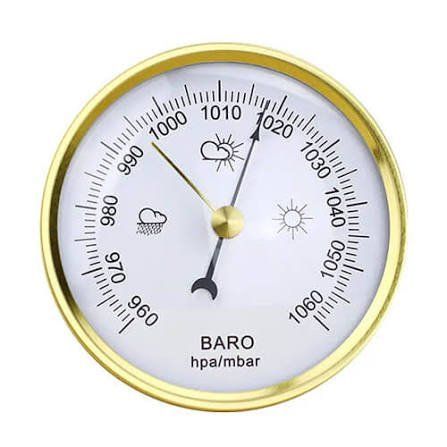
Barometer: Measures atmospheric pressure, which can help identify changes associated with weather systems.
Hygrometer: Measures relative humidity, indicating the amount of moisture in the air compared with the maximum possible at a given temperature.
Anemometer: Measures wind speed and, depending on its design, may support additional wind observations.
Wind vane: Indicates wind direction.
Rain gauge: Collects or measures precipitation over a defined period.
Pyranometer: Measures incoming solar radiation across a specified range of wavelengths.
Together, these instruments provide a more complete picture of atmospheric conditions than any single measurement can provide.
How Weather Monitoring Systems Work
A weather monitoring system typically includes sensors, a data logger, a power source, and a method for displaying or transmitting measurements. Sensors detect environmental changes and convert them into signals that electronic equipment can process.
Automatic weather station suppliers commonly provide systems that combine several measurement functions. Depending on the configuration, an automatic station may record readings locally, transmit data remotely, and present measurements through software or a web-based interface.
Importance
Weather measurements affect everyday decisions in transportation, agriculture, construction, energy production, and public safety. Accurate observations help people understand changing conditions and provide information used by meteorologists to assess weather patterns.
For example, farmers may use rainfall and soil-related observations to plan irrigation. Airports use wind and atmospheric measurements as part of operational planning, while construction teams may monitor wind speed and rainfall when working with cranes, exposed structures, or weather-sensitive materials.
Supporting Industrial and Environmental Activities
Industrial weather monitoring systems are used where atmospheric conditions may influence equipment, processes, or outdoor operations. Wind measurements can be relevant to crane operations, wind energy installations, and structures exposed to changing weather.
Environmental weather sensor systems can also support monitoring around industrial facilities, agricultural land, research sites, and remote locations. Recorded information helps users compare local conditions and identify changes that may require further investigation.
Improving Weather Observation and Safety
Weather instruments contribute to the observations used in forecasting and environmental assessment. Although individual measurements cannot predict every weather event, consistent records help meteorologists interpret developing conditions.
Reliable readings depend on several factors, including sensor placement, calibration, maintenance, and protection from environmental interference. A temperature sensor placed near a heat-producing surface, for instance, may record conditions that do not represent the surrounding air accurately.
Comparing Main Weather Instruments
| Instrument | Measurement | Common Application |
|---|---|---|
| Thermometer | Air temperature | Weather observation and climate studies |
| Barometer | Atmospheric pressure | Weather analysis |
| Hygrometer | Relative humidity | Environmental monitoring |
| Anemometer | Wind speed | Aviation, construction, and wind energy |
| Wind vane | Wind direction | Weather stations and industrial sites |
| Rain gauge | Precipitation | Agriculture and hydrological studies |
| Pyranometer | Solar radiation | Solar energy and atmospheric research |
Recent Updates
Recent developments in weather monitoring have focused on digital sensors, automated data collection, remote connectivity, and improved integration between observation equipment and analysis platforms. These changes allow weather information to be collected from locations that may be difficult to monitor manually.
Digital Sensors and Automated Stations
Digital weather monitoring instruments increasingly use electronic sensors and data loggers to collect measurements at regular intervals. Automated systems can reduce the need for repeated manual readings and maintain records for later analysis.
However, automation does not eliminate measurement errors. Sensor drift, physical damage, incorrect installation, and communication interruptions can affect the quality or availability of recorded data.
Remote Monitoring and Connected Sensors
Modern environmental weather sensor systems may transmit readings through cellular networks, radio links, satellite communication, or other suitable connections. The appropriate method depends on location, power availability, network coverage, and data requirements.
Remote monitoring can be particularly useful for agricultural sites, renewable energy installations, and industrial locations spread across large areas. Users can review measurements without visiting every sensor location, although remote systems still require physical inspection and maintenance.
Research and Data Integration
Weather station equipment for research may combine traditional atmospheric instruments with specialized sensors for solar radiation, soil conditions, or other environmental variables. Researchers can compare these observations with satellite information, weather models, and historical records.
Industrial wind speed measurement instruments have also benefited from developments in electronic sensing and digital data logging. These technologies can support continuous observation, but measurements must still be interpreted in relation to the instrument's design, installation, and surrounding conditions.
Tools and Resources
Several resources help people understand weather measurements, examine recorded conditions, and maintain monitoring equipment. The appropriate resource depends on whether the goal is basic observation, industrial monitoring, or scientific research.
Weather Data and Educational Resources
The India Meteorological Department (IMD) provides weather forecasts, observations, warnings, and climate-related information for India. The World Meteorological Organization (WMO) publishes technical guidance and information about international meteorological practices.
These resources can help users understand how atmospheric measurements contribute to weather reporting. Public weather data can also provide context for comparing local instrument readings with broader regional observations.
Instrument Selection and Maintenance
When evaluating meteorological measurement equipment, several practical considerations are relevant:
Measurement range: Confirm that the instrument covers the temperatures, wind speeds, or rainfall levels expected at the location.
Accuracy and resolution: Accuracy describes closeness to the actual value, while resolution describes the smallest change an instrument can display.
Environmental protection: Consider exposure to dust, moisture, sunlight, corrosion, and extreme temperatures.
Data recording: Check whether measurements are stored locally, transmitted remotely, or both.
Calibration and maintenance: Review the manufacturer's documentation for inspection procedures and calibration intervals.
Professional rain gauge monitoring systems, for example, may use tipping-bucket mechanisms or weighing methods to measure precipitation. Their readings can be influenced by wind exposure, blockage, installation height, and the type of precipitation being measured.
Atmospheric pressure measurement instruments also require appropriate installation and periodic checks. Research applications may require documented calibration and measurement uncertainty so that results can be compared across instruments or locations.
FAQs
What are the main types of weather instruments?
The main types include thermometers, barometers, hygrometers, anemometers, wind vanes, rain gauges, and solar radiation sensors. Each measures a different atmospheric property.
How do industrial weather monitoring systems work?
Industrial weather monitoring systems collect readings from sensors that measure conditions such as wind speed, temperature, humidity, and rainfall. A data logger or connected controller records the readings and may transmit them to a monitoring platform.
What should be considered when selecting meteorological measurement equipment?
Important factors include measurement range, accuracy, environmental durability, data recording capabilities, installation requirements, and calibration procedures. The selection also depends on the intended application and operating environment.
How do professional rain gauge monitoring systems measure rainfall?
Rain gauges measure precipitation using methods such as collecting water in a calibrated container, counting the movements of a tipping bucket, or weighing collected rainfall. The recorded measurements can be used to calculate precipitation over a defined period.
What is weather station equipment for research used for?
Weather station equipment for research is used to collect atmospheric data for studies of weather patterns, climate, environmental conditions, and related scientific questions. Depending on the project, a station may measure temperature, pressure, humidity, wind, rainfall, and solar radiation.
Conclusion
Weather instruments provide measurements that help people understand atmospheric conditions and monitor environmental changes. From individual thermometers and rain gauges to integrated industrial weather monitoring systems, each instrument has a specific role in collecting useful observations. Digital sensors and remote data transmission have expanded how weather information is recorded and reviewed, while calibration and proper installation remain important for reliable measurements. Understanding these instruments provides a foundation for interpreting weather data across everyday, industrial, and research settings.

Related Post...
Weather Instruments Guide: Understanding Tools for Measuring Atmospheric Conditions
Updated: October 19, 2026
Read More
Hydraulic Clutches Overview: Design, Working Principles, and Industrial Applications
Updated: October 19, 2026
Read More