Industrial Hydraulic Pumps: A Complete Guide to Types and Applications
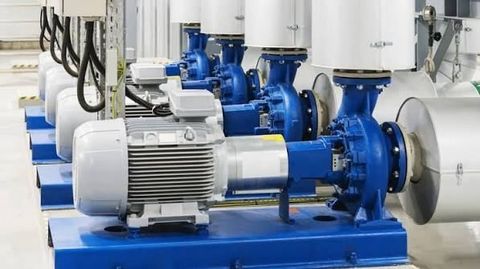
Industrial hydraulic pumps are essential components in machinery that uses pressurized fluid to generate movement and mechanical force.
They convert mechanical energy into hydraulic energy by moving hydraulic fluid through a system. Heavy duty hydraulic pumps and hydraulic pump systems for industry are commonly used in manufacturing plants, construction equipment, material handling machinery, agricultural equipment, and industrial production facilities.
The development of hydraulic technology made it possible to control heavy loads and operate machinery through fluid pressure. Modern industrial hydraulic pump equipment combines mechanical components with electronic controls and monitoring systems. These developments support different industrial operations that require controlled movement, lifting, pressing, or rotation.
How Industrial Hydraulic Pumps Work
A hydraulic pump draws fluid from a reservoir and moves it into a hydraulic circuit. The pump creates fluid flow, while resistance within the system produces pressure. This pressure allows hydraulic cylinders and motors to perform mechanical work.
A typical industrial hydraulic power system includes several components:
- Hydraulic pump: Moves fluid through the system.
- Reservoir: Stores hydraulic fluid and helps manage heat and air separation.
- Control valves: Direct and regulate fluid movement.
- Hydraulic cylinders or motors: Convert hydraulic energy into mechanical movement.
- Filters: Remove contaminants from the fluid.
- Pipes and hoses: Carry hydraulic fluid between components.
The design of each component depends on operating pressure, flow requirements, fluid characteristics, and the machinery involved.
Common Types of Industrial Hydraulic Pumps
Different pump designs support different operating conditions. The main types include:
- Industrial hydraulic gear pumps: Use rotating gears to move fluid. Their relatively simple construction makes them suitable for various industrial applications.
- Hydraulic piston pumps for industrial use: Use reciprocating pistons to move fluid. They are commonly found in systems requiring higher operating pressures.
- Variable displacement hydraulic pumps: Adjust the amount of fluid delivered according to system requirements, supporting flexible flow control.
- Vane pumps: Use sliding vanes within a rotating assembly to move fluid. They are used in selected industrial applications where their operating characteristics suit the equipment.
Each design has different pressure capabilities, efficiency characteristics, maintenance requirements, and operating limitations.
Importance
Industrial hydraulic pumps play an important role in machinery that handles heavy materials, applies force, or performs repeated mechanical movements. Their ability to transmit power through pressurized fluid makes them useful in applications where electrical or mechanical drive arrangements may not meet particular operating requirements.
Manufacturing facilities, infrastructure projects, agricultural operations, and industrial processing environments depend on hydraulic equipment for various tasks. The performance of hydraulic systems can influence production continuity, equipment operation, energy consumption, and workplace safety.
Applications Across Industrial Sectors
Industrial hydraulic power systems support a wide range of equipment and processes.
- Manufacturing: Hydraulic presses, forming machines, and automated production equipment use hydraulic force for controlled operations.
- Construction: Excavators, loaders, cranes, and lifting equipment use hydraulic pumps to operate mechanical components.
- Material handling: Hydraulic systems support forklifts, lifting platforms, and equipment used to move heavy loads.
- Agriculture: Tractors, harvesting machinery, and other agricultural equipment use hydraulic power for lifting and movement.
- Industrial processing: Hydraulic equipment supports selected operations involving material compression, positioning, and machine control.
Factors Affecting Pump Selection
Selecting suitable industrial hydraulic pump equipment requires an understanding of the machinery and its operating environment. Important considerations include:
- Pressure requirements: The pump must operate within the pressure limits of the hydraulic circuit.
- Flow capacity: Fluid delivery must match the movement speed and operating requirements of connected equipment.
- Fluid compatibility: Hydraulic fluid properties affect lubrication, sealing, temperature behavior, and component performance.
- Operating conditions: Temperature, contamination, duty cycles, and environmental conditions influence pump operation.
- Control requirements: Hydraulic pump control systems determine how flow and pressure are managed during operation.
Heavy duty hydraulic pumps may be used in demanding environments, but their suitability depends on the complete system design rather than pump size alone.
Recent Updates
Industrial hydraulic technology continues to develop through improvements in electronic control, energy management, equipment monitoring, and system integration. Recent developments from 2024 through 2026 reflect a broader industrial focus on reducing unnecessary energy use, improving operational visibility, and connecting hydraulic equipment with digital control platforms.
Variable Displacement and Energy Management
Variable displacement hydraulic pumps can adjust fluid delivery according to changing system requirements. This capability can help reduce unnecessary fluid movement in applications where demand changes throughout an operating cycle.
Modern hydraulic pump systems for industry increasingly incorporate electronic control methods that coordinate pump output with machine activity. The actual energy savings depend on operating conditions, system configuration, and control settings.
Hydraulic Pump Automation Systems
Hydraulic pump automation systems connect pumps with sensors, controllers, and machine automation platforms. These arrangements can regulate operating conditions and provide information about equipment performance.
Advanced hydraulic pump integration may combine hydraulic equipment with programmable logic controllers, human-machine interfaces, and industrial communication networks. Such systems can help operators monitor pressure, temperature, flow, and equipment status.
Digital Monitoring and Maintenance
Hydraulic pump maintenance systems increasingly use electronic sensors and equipment monitoring software. Data about vibration, temperature, pressure, and fluid conditions can help identify unusual operating patterns.
Predictive maintenance methods use collected information to estimate when equipment may require inspection. However, monitoring systems do not eliminate mechanical wear, and their accuracy depends on sensor quality, data interpretation, and appropriate maintenance procedures.
| Technology | Main Function | Industrial Application |
|---|---|---|
| Variable displacement pumps | Adjust fluid delivery | Manufacturing machinery |
| Electronic pump controls | Regulate operating conditions | Automated production lines |
| Condition monitoring | Track equipment performance | Industrial processing |
| Hydraulic power units | Supply pressurized fluid | Presses and lifting systems |
| Digital integration | Connect equipment with control platforms | Smart manufacturing |
Tools and Resources
Several technical resources help explain hydraulic pump operation, support system planning, and organize equipment maintenance. Their relevance depends on the type of machinery and the experience of the people operating it.
Hydraulic Calculation and Design Tools
Hydraulic calculators can help estimate flow rate, pressure relationships, hydraulic power, and cylinder movement speed. These calculations provide a starting point for understanding system requirements.
Engineering diagrams and hydraulic circuit design software can illustrate the relationship between pumps, valves, actuators, reservoirs, and filters. Technical documentation from industrial hydraulic pump manufacturers can also provide information about operating limits and equipment specifications.
Installation and Maintenance Resources
Hydraulic pump installation for industry involves correct alignment, suitable pipe connections, fluid compatibility, and attention to operating conditions. Equipment manuals and installation checklists help document these requirements.
Hydraulic pump maintenance systems may include inspection schedules, fluid analysis records, filter replacement logs, and operating condition reports. These resources help organize routine maintenance and identify changes in equipment behavior.
Custom hydraulic pump systems and custom industrial hydraulic power unit design may require additional engineering documentation. System diagrams, component specifications, and operating requirements help explain how individual components work together.
FAQs
What are industrial hydraulic pumps used for?
Industrial hydraulic pumps are used to move pressurized fluid through machinery. Common applications include hydraulic presses, construction equipment, lifting systems, manufacturing machinery, and material handling equipment.
What is the difference between gear pumps and hydraulic piston pumps for industrial use?
Industrial hydraulic gear pumps use rotating gears to move fluid and have relatively simple mechanical construction. Hydraulic piston pumps use reciprocating pistons and are commonly selected for applications that require higher pressure or particular flow-control capabilities.
How do variable displacement hydraulic pumps work?
Variable displacement hydraulic pumps change the amount of fluid delivered during each operating cycle. Their output can be adjusted to match changing system requirements, depending on the pump design and control arrangement.
What are hydraulic power unit systems?
Hydraulic power unit systems combine components such as pumps, reservoirs, motors, filters, and control valves to supply hydraulic power. They provide pressurized fluid to machinery that requires controlled mechanical movement.
How are industrial hydraulic pump systems maintained?
Maintenance typically includes checking fluid levels, inspecting hoses and connections, monitoring operating temperatures, examining filters, and reviewing pressure conditions. The appropriate inspection schedule depends on equipment specifications and operating conditions.
Conclusion
Industrial hydraulic pumps convert mechanical energy into hydraulic power for machinery used across manufacturing, construction, agriculture, and industrial processing. Gear pumps, piston pumps, vane pumps, and variable displacement pumps serve different operating requirements. Modern hydraulic pump systems increasingly incorporate electronic controls, digital monitoring, and automation technologies. Understanding pump types, applications, operating conditions, and maintenance requirements provides a foundation for understanding industrial hydraulic power systems.

Related Post...
Rotary Indexing Machine: A Complete Guide to Its Working and Applications
Updated: October 03, 2026
Read More
Heavy Duty Machinery: An Overview of Industrial Equipment and Applications
Updated: October 02, 2026
Read More